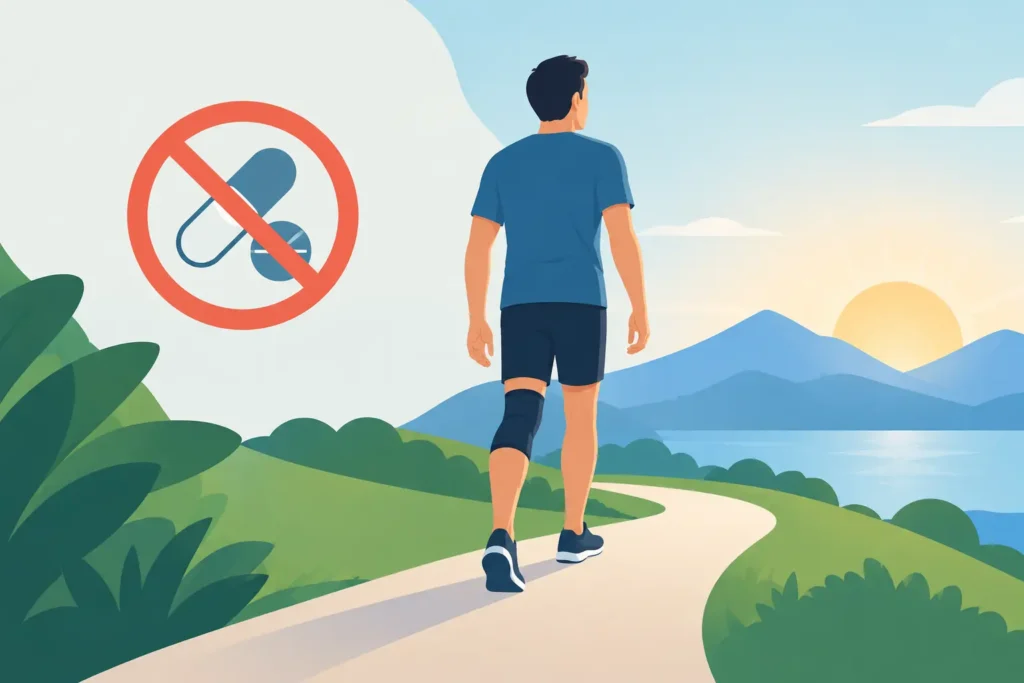
A sore back after a car accident, a shoulder that will not settle down after work, or a knee injury that makes stairs difficult can change far more than a daily routine. Many people want relief, but they do not want pain medication to become the center of their recovery. Drug free recovery for injuries focuses on treating the pain, inflammation, movement limits, and healing barriers that keep an injury from improving.
The goal is not to tell every patient to avoid medication at all costs. Medication has an appropriate role in some injuries and medical situations. The better question is whether there are effective ways to reduce pain and restore function while reducing reliance on pills. For many patients, the answer starts with a personalized plan that combines hands-on injury care, acupuncture, and technology-based treatments under appropriate medical supervision.
What Drug Free Recovery for Injuries Really Means
Drug-free care does not mean ignoring pain or relying on willpower. It means using evidence-informed, non-surgical options to help the body recover and to make pain more manageable without defaulting to long-term opioid use or daily pain medicine.
An injury can create a cycle: pain leads to guarded movement, guarded movement creates stiffness and weakness, and the lack of normal movement can make pain persist. A productive treatment plan addresses that cycle. Depending on the diagnosis, it may focus on calming irritated tissue, improving circulation, reducing muscle tension, restoring joint mobility, and gradually rebuilding strength.
This approach is especially valuable for people recovering from auto accidents, repetitive work injuries, sports-related strain, chronic neck or back pain, and joint pain that has limited activity for too long. It can also be a thoughtful option for people in recovery from opioid dependence who need pain care that respects their recovery goals.
Start With the Right Injury Assessment
No two injuries respond to the same treatment schedule. A recent ankle sprain, whiplash after a collision, and years of low back pain may all cause discomfort, but they have different drivers and different recovery timelines.
A proper assessment looks beyond where it hurts. It considers how the injury happened, whether pain travels into an arm or leg, what movements trigger symptoms, how sleep has changed, and whether work or driving has become difficult. It also helps identify when a patient needs imaging, specialist care, urgent medical attention, or a treatment approach that includes medication.
Seek prompt medical evaluation for severe or worsening pain after trauma, visible deformity, inability to bear weight, new numbness or weakness, loss of bowel or bladder control, chest pain, fever, or a severe headache after a head injury. Drug-free treatment is not a substitute for emergency care or for treating a serious condition.
For non-emergency injuries, an assessment creates a clearer path forward. It prevents the common mistake of treating every ache as simple muscle tightness when the underlying issue may involve a joint, nerve irritation, tendon, or post-accident soft tissue injury.
Treatments That Can Support Healing Without Pills
Acupuncture for pain and muscle tension
Acupuncture uses very fine needles at specific points to support the body’s pain-regulation and healing responses. Many patients find it helpful for neck pain, low back pain, headaches, joint discomfort, muscle tightness, and pain that makes it hard to sleep or move normally.
The experience is usually gentler than people expect. Some patients feel a brief pinch on insertion, then a sense of warmth, heaviness, or deep relaxation. Results vary. One patient may feel meaningful relief after an early session, while another may need a series of treatments before changes in pain and mobility become clear.
Electroacupuncture may be used when additional stimulation is appropriate. A mild electrical current is delivered through selected acupuncture needles to target muscle tension and support pain relief. It is not right for everyone, so the treatment should be chosen after reviewing health history and contraindications.
Cupping for restricted, sore tissue
Cupping creates gentle suction on the skin to help loosen areas of muscle and connective tissue that feel tight or restricted. It is often used for the back, shoulders, hips, and legs, particularly when muscle guarding is contributing to pain or limited range of motion.
The circular marks that can appear afterward are temporary and are not bruises from blunt trauma. Still, cupping is not appropriate over every area or for every medical condition. A trained provider can determine whether it fits safely into an injury plan.
StemWave shockwave therapy for stubborn pain patterns
StemWave shockwave therapy uses acoustic waves to stimulate the body’s natural repair response in targeted tissue. It is commonly considered for chronic tendon and joint-related pain, including certain shoulder, elbow, knee, foot, and hip conditions.
Shockwave therapy is not a quick fix for every injury. It tends to work best when the diagnosis is clear and the patient follows through with movement, activity modifications, and recommended treatment sessions. Some discomfort during treatment is possible, especially in sensitive areas, but the intensity can be adjusted.
Progressive movement and injury care
Passive treatments can lower pain enough to make movement possible, but lasting recovery usually requires a return to safe, confident activity. That may begin with basic mobility work and progress toward strength, balance, posture, and job-specific or sport-specific movement.
The pace matters. Doing too much too soon can flare symptoms; doing too little for too long can prolong stiffness and fear of movement. A good recovery plan finds the middle ground, using measurable improvements in function rather than pain scores alone. Being able to turn your head while driving, lift a child, sleep through the night, or finish a work shift are meaningful signs of progress.
When Medication Is Part of the Conversation
A patient can pursue drug-free treatment without feeling pressured to refuse all medical care. Anti-inflammatory medication, short-term pain medication, injections, or other conventional treatments may be appropriate in certain cases. The key is careful decision-making rather than automatic prescribing.
For patients with a history of opioid use disorder, pain care needs added attention. Untreated pain can increase stress and relapse risk, yet exposure to opioids can also be dangerous for recovery. Physician-guided addiction treatment, including buprenorphine-based medication-assisted treatment when indicated, can be combined with non-drug pain therapies to support both comfort and stability.
There is no shame in needing medical help for pain or substance dependence. The safest plan is the one that considers the full picture: the injury, the patient’s history, current medications, recovery goals, and daily responsibilities.
What to Expect From a Recovery Plan
A realistic plan should be specific enough to follow and flexible enough to change as your body responds. Early visits may focus on pain reduction, sleep, and gentle mobility. As symptoms improve, treatment should shift toward function and resilience.
Progress is rarely perfectly linear. A long workday, poor sleep, increased activity, or stress can create a temporary flare. That does not always mean treatment has failed. It may mean the plan needs a short-term adjustment, better pacing, or closer attention to the movement pattern that is aggravating the injury.
At Acupuncture & Injury, care can bring acupuncture, injury-focused therapies, shockwave treatment, and physician-guided support into one coordinated setting. That matters when patients do not want to choose between a purely holistic approach and conventional medical oversight.
Recovery Is More Than Lower Pain
Pain relief is valuable, but the real purpose of treatment is getting your life back. That might mean returning to work without dreading the drive, exercising without worrying about the next flare, or managing an old injury without depending on a pill bottle.
If an injury has been controlling your schedule or limiting what you can do, ask for an evaluation that looks at more than symptoms. A thoughtful, drug-reducing plan can give your body the support and time it needs to move forward with greater comfort and confidence.
Leave a reply