
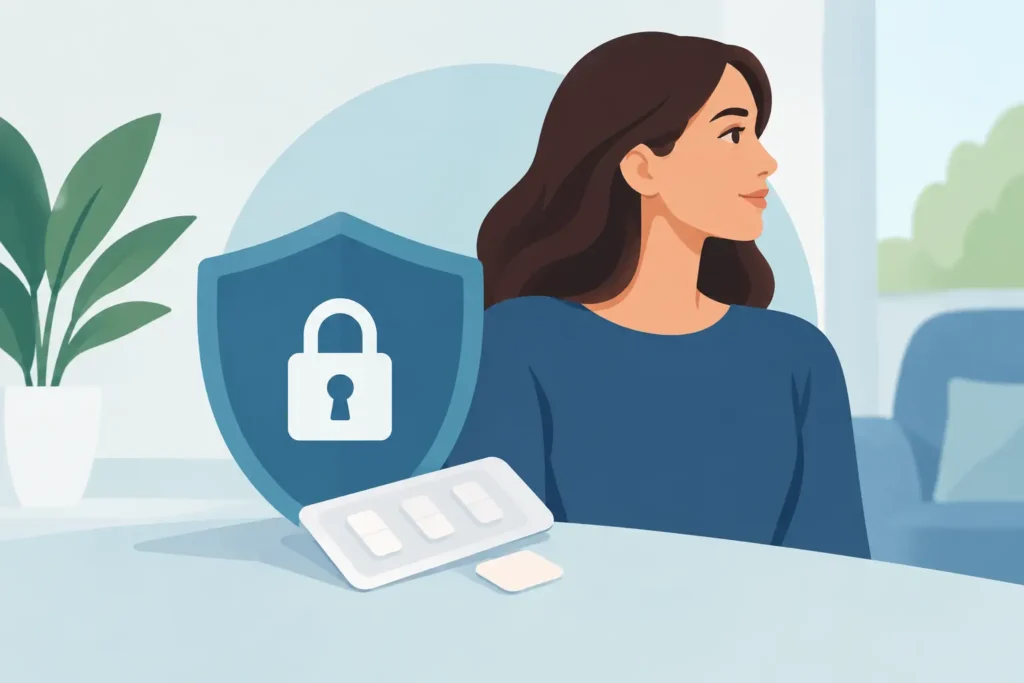
Starting treatment can feel like a deeply personal decision, especially when opioid dependence has affected your health, work, family, or finances. If you are asking, are Suboxone films confidential, the practical answer is yes: your medical care and prescription information are private. But privacy is not the same as invisibility. Understanding what is protected, who may see certain records, and where insurance or pharmacy systems come into play can help you begin treatment with fewer surprises.
Are Suboxone Films Confidential Under HIPAA?
Suboxone films are a prescription medication used in medication-assisted treatment for opioid use disorder. They contain buprenorphine and naloxone and are prescribed by a qualified medical provider as part of a structured treatment plan. Like other prescription medications, Suboxone treatment is protected health information under the Health Insurance Portability and Accountability Act, commonly called HIPAA.
In plain terms, a clinic cannot casually tell your employer, family member, neighbor, or friend that you receive Suboxone. Your provider, nurse, and other authorized members of your care team may access information needed to treat you, bill for care, or run the practice safely. Outside of those permitted uses, your written authorization is generally required before your records are shared.
Substance use disorder treatment records may also receive additional federal protections under 42 CFR Part 2 when the program and records meet the rule’s requirements. These protections are designed to reduce the stigma and real-life harm that can result when someone’s recovery information is disclosed without permission. The exact rules can depend on the type of provider, the record involved, and the reason information is being requested.
Confidentiality matters because fear of being judged keeps many people from seeking help. Treatment should be a private healthcare decision, not a public label.
What Confidential Care Does and Does Not Mean
Confidentiality protects your information from improper disclosure. It does not mean the treatment leaves no administrative record at all. A Suboxone prescription involves medical documentation, a pharmacy, and sometimes an insurance claim. Each part of that process has privacy rules, but each can create a record that is visible to specific authorized parties.
For example, your medical chart will typically document your diagnosis, medication, dose, appointments, treatment progress, and any required monitoring. Your pharmacy keeps prescription records so it can fill the medication safely and comply with state and federal requirements. Georgia’s prescription drug monitoring program may also be checked by authorized prescribers and pharmacists to support safe prescribing and identify potentially dangerous medication combinations.
These systems are not public databases. Your boss cannot simply look up whether you take Suboxone. A family member cannot call a clinic and demand answers. However, professionals involved in your care may have access when the law allows it and when it is necessary for treatment, payment, or healthcare operations.
Insurance can create an explanation of benefits
If you use health insurance, the insurer processes a claim for appointments, laboratory work, and prescriptions. The policyholder may receive an Explanation of Benefits, often called an EOB, showing that services or prescriptions were billed. The level of detail varies by insurer and plan, but an EOB can reveal the provider, pharmacy, date of service, or a general type of care.
This is especially relevant for adults covered under a spouse’s or parent’s insurance plan. If privacy from the policyholder is a concern, ask the insurer whether it can send communications directly to you, use a confidential address, or provide an alternate method for receiving plan documents. Rules and options vary, so it is worth asking before treatment begins.
Paying out of pocket may reduce what appears on an insurance EOB, but it does not erase medical or pharmacy records. Cost is also a real consideration. A clinic can explain self-pay pricing, insurance options, and which parts of care may be billed before you make a decision.
Pharmacies protect your information, too
A pharmacy is required to safeguard your prescription information. Still, routine pharmacy communication can be noticeable if you share an address, phone, email account, or pharmacy profile with someone else. Automated refill texts, app notifications, paper receipts, and prescription pickup alerts may display medication-related information.
You can ask the pharmacy which contact method it will use, whether notifications can be limited, and how prescriptions are labeled on receipts or within its app. Choose contact information only you can access whenever possible. These small steps can make a meaningful difference for patients living with others who do not yet know about treatment.
When Can Suboxone Information Be Shared?
There are limited situations where healthcare information may be disclosed without your usual written permission. These exceptions are specific and should not be used as an excuse for casual sharing. They can include a medical emergency, a valid legal requirement, certain public health reporting duties, or disclosures needed to prevent a serious and immediate threat to health or safety.
Your provider may also coordinate care with other professionals involved in your treatment. That can be helpful when you have chronic pain, anxiety, injuries, or other conditions that require careful medication decisions. Buprenorphine can interact with sedatives and other medications, so accurate communication between appropriate clinicians can protect your safety.
If you want a partner, parent, therapist, or another doctor included in your care, you can sign a release that identifies what may be shared and with whom. You can also ask questions about the release before signing it. A good practice will explain it in straightforward language rather than treating consent as a formality.
How to Protect Your Privacy Before Starting Treatment
You do not have to share every detail of your life to ask about Suboxone treatment. During an initial call or consultation, it is reasonable to ask how the office handles records, reminders, billing, drug screening, pharmacy coordination, and communication with other providers.
Be direct about your concerns. You might explain that you do not want voicemail messages identifying the clinic or medication, that a spouse is the insurance policyholder, or that you need a private way to receive appointment reminders. A respectful treatment team will not view those questions as suspicious. Privacy planning is part of patient-centered care.
It also helps to keep your own online accounts secure. Use a private email address, protect your patient portal with a strong password, turn off lock-screen message previews, and avoid sharing pharmacy logins. If you are worried that someone else has access to your phone, email, or insurance account, say so privately to the clinic staff.
Confidentiality Should Support Recovery, Not Add Stress
Suboxone treatment is healthcare, and seeking it is a responsible step toward stability. For many people, the goal is to stop the cycle of withdrawal, cravings, unsafe opioid use, and constant fear of running out of medication. Physician-guided treatment can create room to rebuild routines, address pain, return to work, and repair relationships.
Medication is most effective when it is paired with individualized support. Some patients benefit from counseling, recovery coaching, or treatment for anxiety and depression. Others also need a plan for chronic pain or an injury that contributed to opioid use in the first place. At Acupuncture & Injury, care can be coordinated around both medically supervised addiction treatment and non-drug approaches to pain relief when clinically appropriate.
No clinic can promise that a prescription will be invisible to every system involved in healthcare. What a trustworthy clinic can offer is respectful communication, clear consent practices, secure records, and honest answers before you begin. If privacy has been the reason you have delayed treatment, ask the questions now – then give yourself the same discretion, safety, and support you would want for someone you care about.
Leave a reply