A migraine can make a normal workday, family dinner, or drive home feel impossible. The throbbing head pain is only part of the problem. Nausea, light sensitivity, sound sensitivity, visual changes, and exhaustion can force people to cancel plans and retreat to a dark room. So, can acupuncture help migraine attacks? For many people, it may be a useful part of a broader migraine care plan, especially when attacks are frequent, medications cause side effects, or reducing reliance on pain pills is a priority.
Acupuncture is not a guaranteed cure, and it should not replace medical evaluation for severe or changing headaches. But research and clinical experience suggest it can help some patients reduce migraine frequency, intensity, and the number of days affected by headache pain. The best results usually come from a plan built around the individual patient, not a one-size-fits-all approach.
What acupuncture may do for migraine attacks
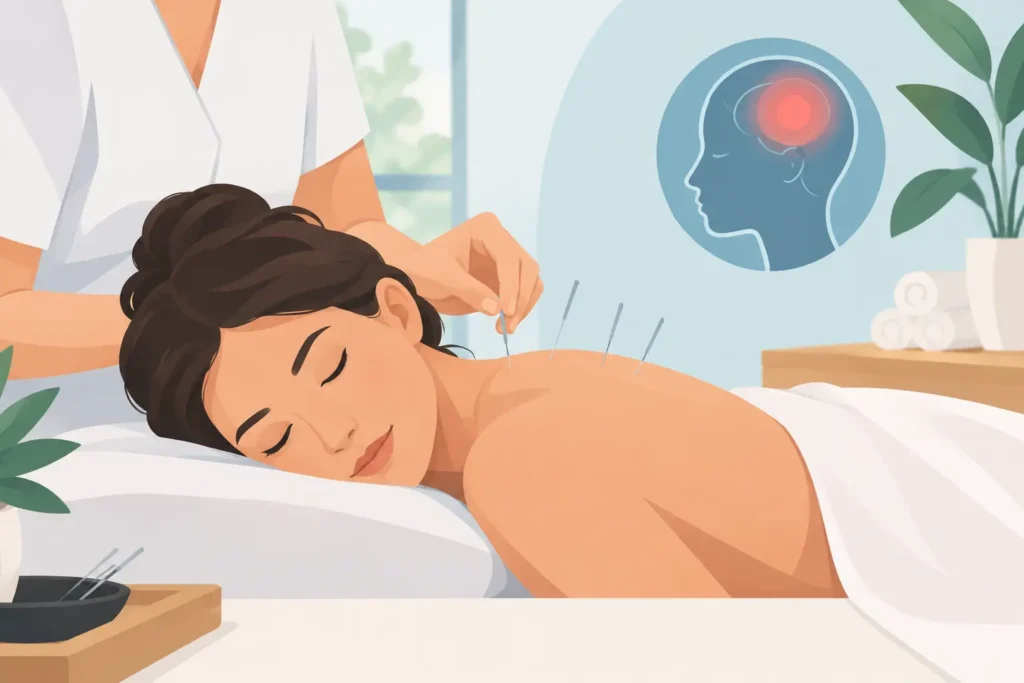
Acupuncture uses very thin, sterile needles placed at specific points on the body. During treatment, the goal is not simply to address head pain at the moment it occurs. A qualified provider considers the pattern behind the migraines, including neck tension, sleep disruption, stress, jaw clenching, prior injuries, hormonal changes, and other possible triggers.
From a medical perspective, acupuncture may influence how the nervous system processes pain. It may support the release of the body’s natural pain-relieving chemicals, help regulate signaling involved in pain sensitivity, and reduce muscle tension that can contribute to head and neck discomfort. Some patients also report better sleep and lower stress after a treatment series, both of which can matter when migraines are triggered by poor rest or ongoing strain.
Research on acupuncture for migraine prevention is encouraging, although results vary. Studies have found that regular acupuncture can reduce the number of migraine days for some people, with benefits that may be comparable to certain preventive medication approaches. That does not mean acupuncture works equally well for every patient or that it replaces needed medication. It means it may offer a drug-reducing option worth discussing, particularly for people who want more tools than medication alone.
Can acupuncture help during an active migraine?
It depends on the person and the stage of the attack. Some people find that acupuncture during an early migraine helps ease pain, nausea, neck tightness, or sensitivity before symptoms become severe. Others are too sensitive to light, touch, sound, or travel to comfortably attend an appointment during an attack. In those cases, consistent treatment between episodes may be more practical.
Acupuncture is often most valuable as a preventive strategy. Rather than waiting until every migraine reaches full intensity, treatment is scheduled over several weeks to address patterns that may be contributing to repeated attacks. This approach can be especially helpful for people who have frequent migraines, use rescue medication often, or feel caught in a cycle of pain, missed work, and recovery days.
If you are having a new severe headache, the worst headache of your life, a headache after a significant injury, or symptoms such as weakness, confusion, fainting, trouble speaking, fever, or vision loss, seek urgent medical care. Those symptoms need prompt evaluation and should not be managed with acupuncture alone.
What a migraine acupuncture treatment plan can include
A proper first visit should begin with questions, not needles. Your provider should ask about how often migraines occur, where pain begins, how long attacks last, what symptoms accompany them, which medications you take, and whether you have a history of concussion, auto injury, neck injury, high blood pressure, or other health concerns.
Treatment points may be selected on the scalp, face, ears, hands, arms, legs, feet, upper back, or neck. The placement depends on your symptoms and overall presentation. Needles are typically much finer than those used for injections. Many patients feel little more than a brief pinch, pressure, warmth, heaviness, or a dull sensation around certain points. You should be able to communicate throughout treatment, and adjustments can be made if you are uncomfortable.
For migraine care, a provider may recommend one or two visits per week at the start, then reassess after several weeks. The right schedule depends on attack frequency, severity, response to treatment, and your other care needs. A person with two migraines a month may need a different plan than someone with chronic migraines occurring 15 or more days each month.
In some cases, care may also include electroacupuncture, in which a mild electrical current is applied between selected needles. This can be useful when significant muscle tension or pain signaling is involved. Cupping, soft-tissue work, or other injury-focused therapies may be considered when tight neck and shoulder muscles, whiplash, or posture-related strain are contributing factors. These treatments are not automatically appropriate for every patient, which is why a clinical evaluation matters.
Migraine triggers still matter
Acupuncture can be helpful, but it cannot fully offset a pattern of triggers that remains unaddressed. Migraine is a neurological condition, not a personal failure, and triggers are not always predictable. Still, identifying repeat patterns can give you and your provider useful information.
A simple migraine diary can track when symptoms start, what you ate and drank, sleep quality, stress level, menstrual timing when relevant, exercise, weather shifts, medication use, and early warning signs. You may notice that skipped meals, dehydration, alcohol, long screen sessions, poor sleep, or neck strain reliably make attacks more likely. The goal is not to create an exhausting list of restrictions. It is to find practical changes that lower your overall migraine burden.
Medication should also be reviewed. Frequent use of some over-the-counter or prescription pain relievers can contribute to medication-overuse headaches. Never stop prescribed medicine suddenly without guidance, but do talk with a qualified clinician if you need rescue medication repeatedly each week. An integrated plan may include acupuncture alongside primary care, neurology, physical therapy, preventive medication, or other appropriate treatment.
Who may benefit most from acupuncture for migraines?
Acupuncture may be especially worth considering if migraines are accompanied by neck pain, shoulder tightness, stress-related flare-ups, poor sleep, jaw tension, or lingering symptoms after an accident or injury. It can also appeal to people who have not tolerated migraine medications well, want to reduce medication dependence, or need a non-surgical option that fits into a broader pain management plan.
It is not a reason to delay diagnosis. People whose headaches have changed in frequency or character, begin after age 50, occur with neurological symptoms, or steadily worsen need medical assessment. Women who are pregnant, people who take blood thinners, and those with certain bleeding disorders should tell their provider before treatment so care can be adjusted safely.
A practical path toward fewer migraine days
The most useful question is not whether acupuncture is a miracle answer. It is whether it can help you regain enough control to have fewer disrupted days, less pain, and more confidence in your treatment options. For some people, the change is noticeable after a few visits. For others, benefits build gradually over a treatment series. A small group may not respond meaningfully at all.
At Acupuncture & Injury, migraine care can be approached with the same goal that guides broader pain treatment: meaningful relief without automatically defaulting to more pills. If migraine attacks are affecting your work, sleep, family time, or ability to function, a focused evaluation can help determine whether acupuncture belongs in your recovery plan. You deserve care that takes your pain seriously and gives you practical options for moving forward.
Leave a reply