Burning feet at night, pins-and-needles sensations, numb toes, and sharp electric pains can make even ordinary tasks feel difficult. This guide to StemWave for neuropathy explains where acoustic wave therapy may fit into a thoughtful pain-management plan – and where it may not. For people seeking relief without adding another long-term medication, it can be a reasonable option to discuss with a qualified provider.
What StemWave Is and What It Is Not
StemWave is a form of extracorporeal shockwave therapy. Despite its name, it does not use stem cells, injections, surgery, or medication. A handheld device delivers targeted acoustic pressure waves through the skin to areas associated with pain, stiffness, or reduced function.
The goal is to create a controlled mechanical stimulus in the tissue. Depending on the treatment area and the patient’s condition, this may support local circulation, tissue signaling, and the body’s healing response. Many people describe the sensation as tapping or pulsing. Intensity can be adjusted during the session to keep treatment tolerable.
Neuropathy is different from a strained muscle or tendon injury, so expectations matter. StemWave is not a cure for damaged nerves, and it does not replace medical care for diabetes, vitamin deficiencies, spinal conditions, circulation problems, or other possible causes of nerve symptoms. It is best viewed as a noninvasive therapy that may help some patients manage symptoms and improve daily comfort as part of a broader plan.
Guide to StemWave for Neuropathy: Who May Benefit?
Peripheral neuropathy occurs when nerves outside the brain and spinal cord are injured or not functioning normally. Symptoms often begin in the feet and can include numbness, tingling, burning, sensitivity to touch, cramping, weakness, or a feeling that socks are bunched up under the feet when they are not.
A StemWave evaluation may be worth considering when neuropathy-related pain is limiting sleep, work, walking, exercise, or balance, especially for patients who want drug-reducing options. Some patients seek care because medications have caused unwanted side effects, provided incomplete relief, or simply are not the direction they want to pursue first.
The right candidate depends on the underlying cause. Diabetes is one of the most common causes of peripheral neuropathy, but nerve symptoms can also be related to an injury, nerve compression, chemotherapy, alcohol use, thyroid disorders, nutritional deficiencies, autoimmune conditions, infections, or certain medications. If the cause is still unclear, identifying it should come before assuming a local treatment will solve the problem.
A careful assessment may include a health history, discussion of your symptoms, examination of sensation and circulation, and review of prior imaging, lab work, or medical diagnoses. This protects patients from overlooking issues that need a different type of treatment.
How Treatment May Support Neuropathy Care
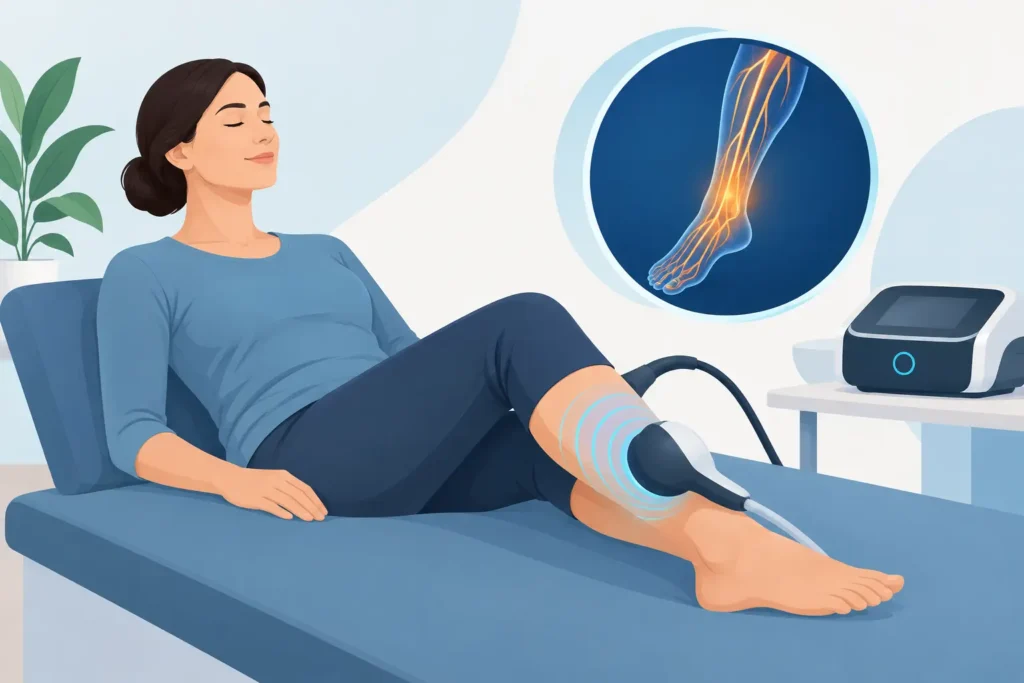
StemWave treatment is often directed around the feet, ankles, calves, or other areas where pain and tissue sensitivity are present. The provider applies gel to the skin and moves the treatment head across selected areas. There are no needles and no recovery period requiring time away from work for most people.
The proposed benefit is not that acoustic waves “regrow” nerves on demand. Rather, shockwave therapy may influence the local environment around painful tissue through mechanical stimulation and circulation-related responses. For certain patients, this may reduce pain sensitivity, ease tightness in surrounding soft tissue, and make movement more comfortable.
Response varies. A person with mild symptoms related to an old injury may have a different experience than someone with long-standing diabetic neuropathy and significant loss of sensation. Patients who still have substantial numbness need to continue protecting their feet even if pain improves. Less pain does not automatically mean normal sensation, skin integrity, or balance has returned.
Research into shockwave therapy for neuropathy is still developing. Some studies suggest potential symptom benefits, but protocols, devices, treatment schedules, and patient populations differ. For that reason, a responsible provider should not promise a cure or guarantee that StemWave will eliminate neuropathy pain.
What a Typical StemWave Visit Feels Like
A first visit should begin with more than placing a device on the painful area. Your provider should ask when symptoms began, whether they are worsening, what diagnoses you have, what medications you take, and whether you have had falls, wounds, color changes, or circulation concerns.
During treatment, you may feel rhythmic pressure, tapping, or mild discomfort in sensitive areas. Communication matters. The setting can usually be adjusted if the sensation is too intense. Most sessions are relatively brief, although the overall appointment may include evaluation and complementary therapies.
There is usually little to no downtime. Some people experience temporary tenderness, mild redness, or soreness afterward, much like they might after a therapeutic massage or exercise session. Others notice no immediate change. Symptom relief, if it occurs, may develop gradually over several visits rather than during the first appointment.
Treatment recommendations should be individualized. A short course may be appropriate for one patient, while another may need a longer plan or may be better served by a different approach. Be cautious with anyone who offers a one-size-fits-all package before evaluating your health history and goals.
When StemWave Should Be Part of a Larger Plan
Neuropathy care works best when the treatment plan addresses both symptoms and cause. For example, someone with diabetes may need support with blood sugar management alongside pain-focused therapies. Someone with nerve compression may need a plan that addresses the low back, hip, or another source of irritation. A patient with a suspected vitamin deficiency needs medical evaluation and correction of that deficiency.
At Acupuncture & Injury, an integrative plan may combine StemWave with acupuncture, electroacupuncture, cupping, injury care, mobility guidance, or physician-supervised pain management when appropriate. Not every therapy is right for every patient. The advantage of an integrative setting is that treatment can be adjusted based on how your body responds instead of forcing you into a single approach.
This approach is particularly valuable for patients trying to reduce reliance on pain medication. Medication may have an appropriate role for some people, but long-term relief often also requires improving movement, sleep, tissue tolerance, and the factors aggravating the nerves. The goal is practical: fewer painful limitations and more confidence in everyday life.
Safety Considerations and Questions to Ask
StemWave is noninvasive, but noninvasive does not mean appropriate for everyone. Tell your provider about pregnancy, blood-thinning medication, bleeding disorders, a history of blood clots, active infection, open wounds, cancer in or near the proposed treatment area, severe circulation problems, implanted devices, or recent surgery. Your medical history helps determine whether treatment should be modified, delayed, or avoided.
You should also ask whether the provider believes your symptoms are truly neuropathy, what may be causing them, what outcomes are realistic, and how progress will be measured. Pain scores matter, but so do real-world changes: sleeping through the night, standing longer at work, walking farther, or feeling safer on stairs.
Device clearances and intended uses can differ by device and clinical setting. Do not assume that a treatment is FDA-approved specifically for neuropathy simply because it is offered for pain. A trustworthy provider will be direct about the evidence, the goals of care, and alternatives if StemWave is not the best fit.
Do Not Ignore These Warning Signs
Neuropathy symptoms deserve prompt medical attention when they come with sudden weakness, loss of bladder or bowel control, rapidly spreading numbness, a new foot wound, black or blue skin changes, major swelling, fever, or severe pain that is escalating quickly. These symptoms may point to a problem that needs urgent medical evaluation rather than routine conservative treatment.
For ongoing foot numbness, inspect your feet daily, wear protective footwear, and avoid using heating pads or hot water to test sensation. Reduced feeling can make burns and injuries easier to miss.
The most useful next step is a consultation that treats you as more than a symptom. If neuropathy is interrupting your sleep, work, or mobility, ask for a clear evaluation and a plan built around relief, safety, and the life you want to get back to.
Leave a reply