A workplace injury can change more than your workday. A sore shoulder, strained back, fall, repetitive-motion injury, or accident involving equipment can affect sleep, mobility, concentration, income, and confidence. Workplace injury outcomes often depend on what happens in the first days and weeks after the incident, not simply on how severe the pain feels at first.
Some injuries improve with brief rest and conservative care. Others become harder to treat when pain is ignored, movement is avoided for too long, or treatment is delayed until symptoms interfere with every part of life. The goal is not to rush someone back to work before they are ready. It is to identify the injury, reduce pain safely, restore function, and create a recovery plan that fits the physical demands of the job.
What Shapes Workplace Injury Outcomes?
Recovery is not a single event. It is a process influenced by the type of injury, the work required, a person’s health history, and the care they receive. Two people can have a similar diagnosis and experience very different results because their jobs, movement patterns, stress levels, and treatment consistency are different.
A minor strain may resolve quickly for someone whose work is mostly seated. That same strain can be more disruptive for a warehouse employee, healthcare worker, construction professional, driver, or caregiver who lifts, bends, reaches, and stands for long periods. Repetitive tasks can also keep irritating a healing area if job duties are not adjusted when appropriate.
Pain level matters, but function matters just as much. Can you turn your head safely while driving? Lift a box without sharp pain? Sit through a shift? Sleep through the night? Return to activities at home? These practical measures give a clearer picture of recovery than a pain score alone.
Early Evaluation Can Prevent Bigger Problems
Not every ache after work requires extensive treatment, but persistent or worsening symptoms deserve attention. Early evaluation can help distinguish a temporary muscle strain from a more complex injury involving joints, nerves, tendons, or soft tissue.
Prompt care also creates a baseline. Documenting when symptoms began, what movements make them worse, and how the injury affects work can guide treatment and help track whether you are actually improving. If an injury is work-related, follow your employer’s reporting process and understand any requirements for authorized care under your workplace injury coverage.
Seek urgent medical attention for symptoms such as severe or escalating pain after a major accident, loss of consciousness, chest pain, shortness of breath, new weakness, numbness that spreads, loss of bowel or bladder control, or an obvious deformity. These signs need immediate evaluation, not a wait-and-see approach.
Pain Relief Is Only One Part of Recovery
It is understandable to want fast relief. Pain makes it difficult to work, rest, and think clearly. But the best workplace injury outcomes usually involve more than temporarily masking symptoms. They focus on reducing pain while helping the body move and tolerate activity again.
For some patients, conservative therapies may be appropriate as part of a medically guided plan. Acupuncture can help address pain and muscle tension for certain conditions. Electroacupuncture may support targeted stimulation, while cupping can be used to address restricted-feeling soft tissue and muscular tightness. Shockwave therapy may be considered for select chronic tendon and soft-tissue concerns when a clinician determines it is appropriate.
No single treatment works for every injury. A new acute injury may need a different approach than long-standing neck pain, a repetitive-use shoulder condition, or low back pain made worse by lifting. The right plan depends on the diagnosis, your medical history, medications, job demands, and response to care.
Medication Has a Role, But It Is Not the Whole Plan
Medication may be appropriate after an injury, especially when pain is severe or inflammation is limiting sleep and movement. However, relying on pain medication alone can leave the underlying loss of mobility, strength, or tissue irritation unaddressed.
For patients concerned about long-term opioid use, a drug-reducing pain plan may offer another path. This does not mean that every patient should avoid medication or that natural therapies replace necessary medical care. It means treatment should be individualized, medically appropriate, and focused on helping the patient function with the least medication burden that is safely possible.
If opioid medication has become difficult to stop, or if pain treatment has led to dependence, asking for help is a practical health decision. Physician-supervised medication-assisted treatment can support recovery from opioid use disorder while patients continue to address pain, work responsibilities, and daily life with dignity.
Returning to Work Should Be Based on Function
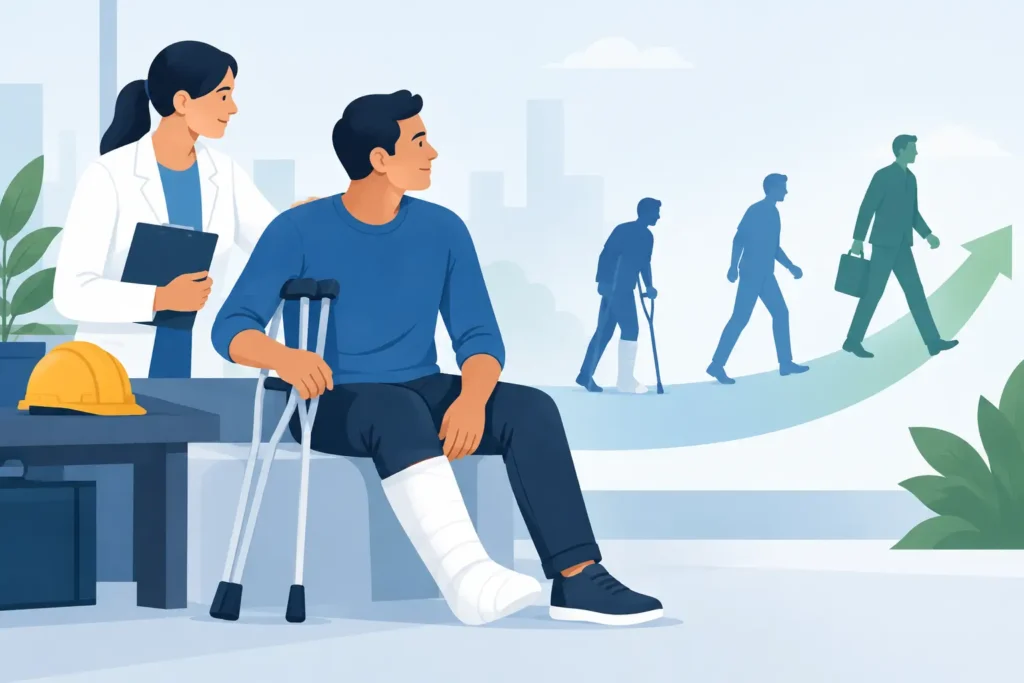
A return-to-work plan is most successful when it is realistic. Returning too early to full lifting, repetitive reaching, prolonged standing, or driving can aggravate symptoms. Staying inactive longer than necessary can also lead to stiffness, deconditioning, fear of movement, and a slower return to normal activity.
The middle ground is often a gradual return based on functional progress. That could mean temporary limits on lifting, more frequent position changes, modified duties, or a phased increase in activity. The specifics should come from the treating clinician and the requirements of the job.
Communication matters here. Patients may feel pressure to say they are fine because they need income or do not want to inconvenience a team. At the same time, employers need clear information about safe restrictions rather than vague descriptions of pain. Accurate documentation helps everyone make better decisions.
Small Daily Choices Can Support Healing
Treatment appointments are valuable, but recovery also happens between visits. Sleep, gentle movement, hydration, nutrition, and pacing activity can influence how the body responds to an injury. None of these replaces professional care, but they can support it.
Avoid the cycle of doing too much on a better day and paying for it with increased pain the next day. A better approach is gradual progression. If walking, reaching, or lifting is part of rehabilitation, increase demands in manageable steps and pay attention to symptoms that linger or worsen after activity.
Stress deserves attention as well. Pain can make people anxious about finances, job security, and whether they will return to their previous abilities. Stress does not mean an injury is imaginary. It can increase muscle tension, interrupt sleep, and make recovery feel more difficult. A clinician who listens to both the physical and practical sides of injury care can help create a plan that feels achievable.
When an Injury Is Not Improving
If pain is unchanged after a reasonable period of care, keeps returning with normal activity, or begins to affect new areas of the body, it may be time to reassess. The diagnosis may need clarification, work demands may still be aggravating the condition, or the treatment plan may need to change.
This is where integrated care can be helpful. At Acupuncture & Injury, patients can discuss non-surgical pain therapies alongside physician-guided injury and medication options rather than being forced into a one-size-fits-all approach. The focus should remain on measurable progress: less pain, better sleep, improved range of motion, greater tolerance for work tasks, and a safer return to daily life.
Better Outcomes Start With a Clear Plan
The most useful recovery plan is specific enough to follow. It should explain what is being treated, which activities need temporary modification, what improvement should look like, and when to follow up. It should also leave room to adjust when the body is not responding as expected.
Workplace injuries can be frustrating, especially when pain affects your ability to provide for yourself or care for your family. Still, early attention, honest communication, and consistent treatment can make a meaningful difference. The next right step is not always doing more. Sometimes it is getting the right evaluation, protecting the injured area, and building back function one practical milestone at a time.
Leave a reply