A stubborn heel, aching shoulder, or back injury can make every treatment option sound urgent. When comparing shockwave therapy vs acupuncture, the better choice is rarely about which treatment is “stronger.” It is about what is driving your pain, how long it has been present, and what needs to change for you to move comfortably again.
Both treatments can support pain relief without surgery or long-term reliance on medication. They work very differently, however. Acupuncture is often used to calm pain sensitivity, reduce muscle tension, and support the body’s regulatory systems. Shockwave therapy is more targeted toward injured or slow-healing tissue, especially tendons and connective tissue.
Shockwave Therapy vs Acupuncture: The Main Difference
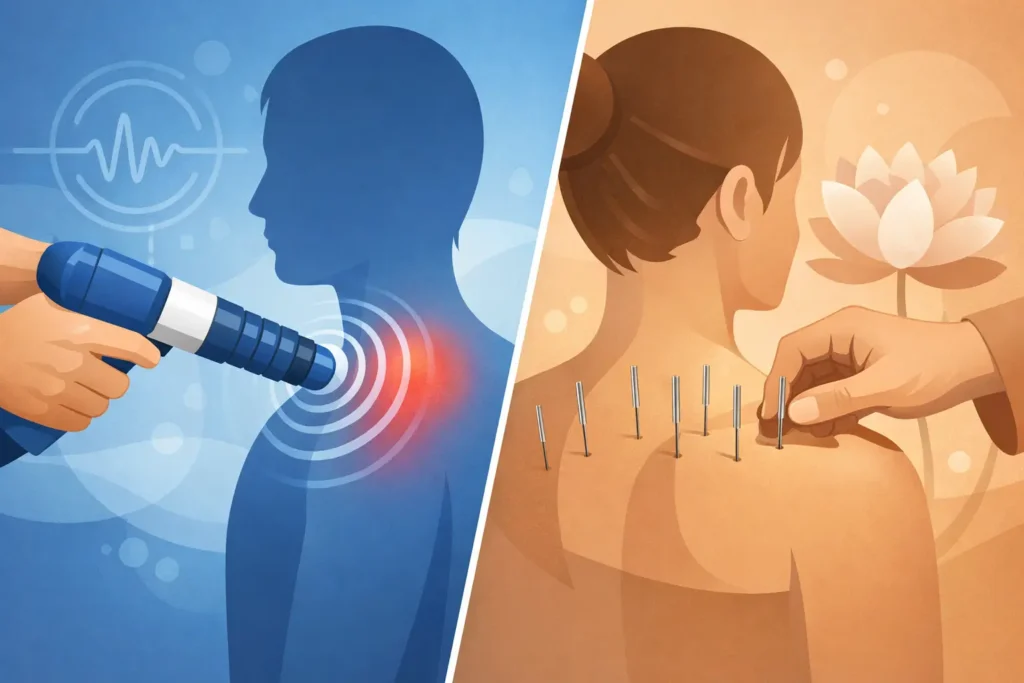
Shockwave therapy uses acoustic pressure waves delivered through a handheld device over a specific painful area. At Acupuncture & Injury, StemWave shockwave therapy is used as a non-invasive treatment intended to stimulate the body’s healing response in damaged or irritated tissue. It is commonly considered for persistent musculoskeletal problems where rest alone has not solved the issue.
Acupuncture uses very thin, sterile needles placed at selected points on the body. Depending on the treatment plan, those points may be close to the painful area, farther away along related pathways, or both. The goal is not simply to treat a single sore spot. Acupuncture may help reduce pain signaling, improve circulation, relax guarded muscles, and support recovery across the whole system.
In practical terms, shockwave therapy is highly localized. A provider directs treatment at the injured tendon, fascia, or muscle attachment. Acupuncture can be local too, but it is often broader in scope. A person with neck pain, poor sleep, tension headaches, and stress-related muscle tightness may benefit from an acupuncture plan that addresses all of those contributors.
When Shockwave Therapy May Be the Better Fit
Shockwave therapy is often considered when pain is tied to chronic overuse, tendon irritation, or tissue that has been slow to recover. Common examples include plantar fasciitis, Achilles tendon pain, tennis elbow, golfer’s elbow, rotator cuff-related shoulder pain, hip pain involving tendon attachments, and certain knee complaints.
It can be especially useful when the pain is easy to locate. If you can point to one spot on your heel, elbow, or shoulder that has hurt for months, a focused shockwave approach may make sense. The treatment is designed to create mechanical stimulation in the area, which can support circulation and tissue remodeling over time.
This does not mean shockwave therapy is a quick fix for every injury. A fresh injury with major swelling, a suspected fracture, a complete tendon tear, or severe unexplained pain needs proper evaluation first. The same is true if numbness, significant weakness, fever, loss of bladder or bowel control, or pain after a serious accident is involved.
Many patients notice that shockwave therapy feels intense during treatment. The sensation is often described as tapping, pulsing, or deep pressure. It should be tolerable, and the provider can adjust the treatment level. Soreness for a day or two can occur as the tissue responds.
When Acupuncture May Be the Better Fit
Acupuncture can be a strong option when pain is widespread, recurring, influenced by stress, or accompanied by muscle tightness and poor recovery. People often seek it for low back pain, neck pain, headaches, sciatica symptoms, osteoarthritis discomfort, muscle spasms, post-injury stiffness, and pain that is disrupting sleep.
It may also be a practical choice for patients who do not have one clear injury site. For example, someone recovering from an auto accident may have neck stiffness, low back pain, headaches, and trouble sleeping. Those symptoms can feed into one another. Acupuncture can be included in a broader recovery plan that addresses pain, mobility, and nervous system regulation rather than treating each complaint as separate.
Most people feel little more than a brief pinch as the needles are placed. Once they are in position, many patients feel warmth, heaviness, tingling, or deep relaxation. Some feel better right away, while others notice change after several visits. A treatment plan is usually more effective than judging acupuncture by one session alone.
Acupuncture is also often appealing to people who want a drug-reducing strategy for chronic pain. That matters when pain medication has stopped providing meaningful relief, creates unwanted side effects, or raises concerns about dependence. It is not a replacement for medically necessary care, but it can be part of a thoughtful plan to manage pain with fewer pills.
Can You Combine Shockwave Therapy and Acupuncture?
For some patients, combining these treatments is more useful than choosing one exclusively. Shockwave therapy can focus on the injured tissue while acupuncture helps address surrounding muscle tension, pain sensitivity, restricted movement, and stress that may be slowing recovery.
Consider chronic plantar fasciitis. Shockwave therapy may be directed at the painful fascia near the heel. Acupuncture may also be used to release calf tightness, support ankle mobility, and reduce compensatory pain in the knee, hip, or low back. The same combined approach can help with stubborn shoulder, elbow, and sports-related injuries.
The right timing depends on your condition and response to care. Some people receive both therapies during the same overall treatment program, while others begin with one method and add the other if progress stalls. A provider should consider your pain level, medical history, medication use, activity demands, and treatment goals before deciding.
What Results Should You Expect?
Neither shockwave therapy nor acupuncture should be presented as a guarantee. Recovery depends on the diagnosis, the length of time you have been in pain, your work and activity demands, sleep, nutrition, previous injuries, and whether you can follow through with recommended home care.
Shockwave therapy is often delivered as a series of treatments because tissue recovery takes time. It may be paired with mobility work, gradual strengthening, supportive footwear changes, or activity modification. Continuing to overload an irritated tendon between visits can limit progress.
Acupuncture plans also vary. Acute muscle pain may improve quickly, while chronic pain often requires a more consistent schedule at the start. Your provider may recommend exercises, posture changes, cupping, electroacupuncture, or other injury care services when they are appropriate for your case.
A good plan should include functional goals, not just a pain score. Can you stand through a work shift? Sleep without waking from discomfort? Drive without neck pain? Return to the gym, walk your dog, or pick up your child without paying for it the next day? Those milestones help show whether treatment is moving you forward.
Safety and Medical Considerations
Both therapies are generally non-surgical, but both require a qualified provider and a clear understanding of your medical history. Tell your provider about blood thinners, bleeding disorders, pregnancy, diabetes-related nerve changes, implanted devices, cancer history, recent steroid injections, open wounds, and any prior surgery near the treatment area.
Shockwave therapy may not be appropriate directly over certain areas or for some medical conditions. Acupuncture may require added caution for people with bleeding concerns, severe needle anxiety, or particular skin infections. A medically supervised clinic can help determine whether either option fits safely into your care.
For pain after a car accident or work injury, documentation and evaluation matter as much as symptom relief. Early assessment can identify problems that should not be treated as ordinary soreness, including concussion symptoms, fractures, significant ligament injuries, or nerve involvement.
Choosing a Treatment That Matches Your Pain
Choose shockwave therapy when the problem appears to be a specific, persistent tissue injury and the treatment goal is to stimulate recovery in that targeted area. Consider acupuncture when pain is broader, muscle tension is a major factor, sleep and stress are worsening symptoms, or you want support for the whole recovery process.
If you are unsure, start with an evaluation rather than guessing based on a label. At Acupuncture & Injury in Marietta, a treatment plan can bring acupuncture, shockwave therapy, and injury-focused care together when that combination serves your recovery. The most useful next step is the one that helps you return to daily life with less pain, more movement, and a plan you can realistically maintain.
Leave a reply