
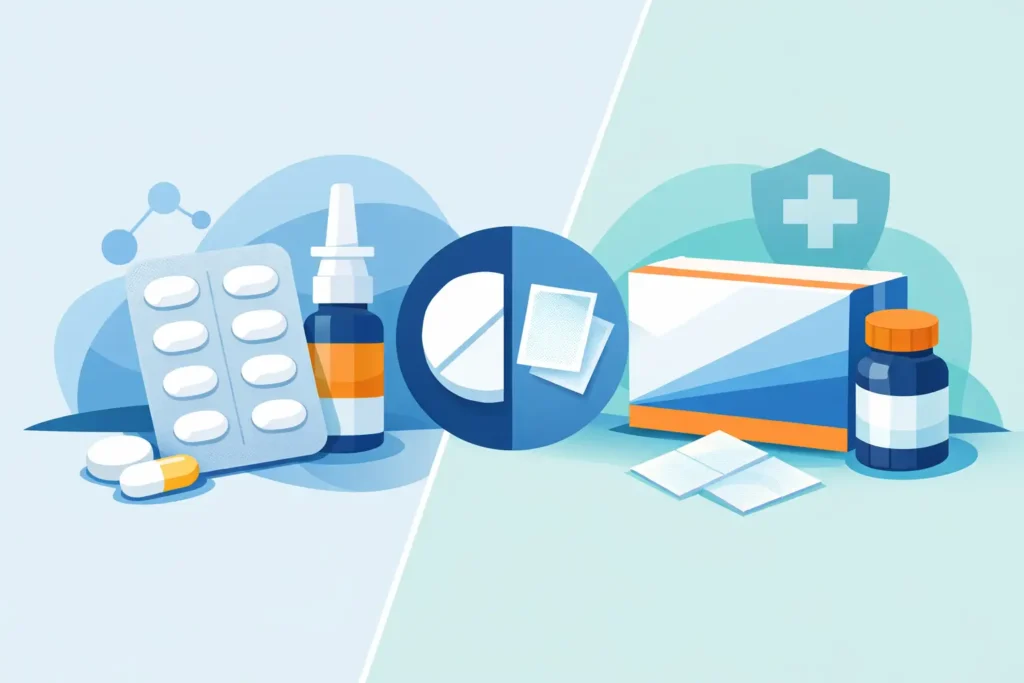
For someone trying to stop opioids, the medication name can feel like a high-stakes decision. The Subutex versus Suboxone differences are real, but they do not mean one medication is automatically better for every person. Both can reduce withdrawal, cravings, and the risk of returning to opioid use when they are prescribed as part of medically supervised treatment.
The right choice depends on your health history, pregnancy status, opioid use pattern, other medications, and practical recovery needs. A clinician should guide that decision with you, without judgment and without treating recovery as a one-size-fits-all process.
What Subutex and Suboxone Have in Common
Both Subutex and Suboxone are buprenorphine-based medications used for opioid use disorder. Buprenorphine is a partial opioid agonist. In plain language, it activates opioid receptors enough to ease withdrawal symptoms and reduce cravings, but it has a ceiling effect that generally makes it safer than full opioid agonists when used as prescribed.
That ceiling effect does not make buprenorphine risk-free. It can still cause dangerous sedation or breathing problems, particularly when mixed with alcohol, benzodiazepines, sleep medications, or other sedating substances. It should only be taken according to a clinician’s instructions.
Medication-assisted treatment is not replacing one addiction with another. It is evidence-based medical care that can stabilize the brain and body while a person rebuilds daily routines, relationships, health, and confidence. Some patients use buprenorphine for a limited period, while others benefit from longer-term maintenance. The appropriate timeline is personal and should be reviewed regularly.
Subutex Versus Suboxone Differences at a Glance
The central difference is in the ingredients. Subutex contains buprenorphine only. Suboxone contains buprenorphine plus naloxone.
Naloxone is included in Suboxone to discourage misuse by injection. When Suboxone is dissolved under the tongue or inside the cheek as directed, very little naloxone is absorbed, and buprenorphine provides the intended treatment effect. If the medication is crushed and injected, naloxone becomes much more active and can trigger rapid withdrawal in a person who is dependent on opioids.
This does not mean Suboxone is an overdose rescue medication. Naloxone products made specifically for emergency overdose reversal are used for that purpose. Anyone at risk of opioid overdose, as well as family members and close contacts, should know where to access and how to use emergency naloxone.
Subutex is buprenorphine alone
“Subutex” is often used as a shorthand term for sublingual buprenorphine-only medication. The original brand-name Subutex is no longer widely marketed in the United States, but generic buprenorphine-only tablets may still be prescribed.
Because it does not contain naloxone, buprenorphine-only treatment may be appropriate in specific circumstances. Pregnancy is one common reason a clinician may consider it. Some patients may also need a buprenorphine-only formulation because of a documented intolerance or other clinical factor. The decision should be based on a careful medical evaluation, not on assumptions that one formulation is stronger or easier.
Suboxone combines buprenorphine and naloxone
Suboxone is commonly prescribed as a sublingual film or tablet, though exact forms and availability can vary. For many nonpregnant adults, the buprenorphine-naloxone combination is a standard outpatient option because it supports effective treatment while adding a deterrent against injection misuse.
Suboxone can be a practical choice for patients who need a medication that fits work, family, and recovery responsibilities. It is typically prescribed through regular office-based care rather than requiring daily visits to a methadone clinic. Follow-up appointments still matter, especially early in treatment, because the dose and care plan may need adjustment.
Does Naloxone Make Suboxone Stronger?
No. The buprenorphine is the primary medication treating withdrawal symptoms and cravings. Naloxone does not make the prescribed under-the-tongue dose more effective for opioid use disorder.
A patient should not switch between Subutex and Suboxone on their own or take extra medication because one product feels different. Medication absorption can vary based on the formulation, dose, technique, dry mouth, and timing. A clinician can determine whether symptoms are related to the dose, the formulation, another medication, continued opioid exposure, or another health concern.
Starting Treatment: Why Timing Matters
Buprenorphine can cause precipitated withdrawal if it is started too soon after a full opioid agonist. This happens because buprenorphine binds tightly to opioid receptors and can displace other opioids while providing less receptor activation than drugs such as fentanyl, heroin, oxycodone, or methadone.
Precipitated withdrawal can be intense, with symptoms such as nausea, sweating, anxiety, body aches, vomiting, and severe restlessness. It is one reason patients should not begin treatment based solely on advice from friends, social media, or leftover medication.
A supervised induction plan considers which opioid was used, when it was last taken, current withdrawal symptoms, and whether fentanyl may be involved. Some patients start with a traditional induction after clear withdrawal begins. Others may be candidates for a low-dose or micro-induction approach. The safest method depends on the individual clinical situation.
Pregnancy Requires Individualized Care
Pregnancy is often part of the conversation around Subutex versus Suboxone differences. Buprenorphine treatment during pregnancy can help protect both mother and baby by reducing cycles of withdrawal, illicit opioid exposure, and overdose risk.
Buprenorphine-only medication has historically been used often during pregnancy. However, treatment recommendations continue to evolve, and some pregnant patients may remain on or begin a buprenorphine-naloxone product when their clinician determines it is appropriate. The key message is not to stop medication abruptly because of pregnancy. Contact an obstetric provider and an addiction medicine clinician promptly to make a safe plan.
Side Effects and Safety Considerations
Subutex and Suboxone can have similar side effects because both contain buprenorphine. Constipation, headache, nausea, sweating, dry mouth, sleep changes, and fatigue can occur. Many side effects improve after the first days or weeks, and simple treatment adjustments can often help.
More serious concerns require prompt medical attention. Seek urgent care for slowed or difficult breathing, extreme sleepiness, confusion, fainting, facial swelling, or signs of an allergic reaction. Tell your prescriber about all medications and supplements, especially benzodiazepines, muscle relaxers, sleep aids, gabapentin, alcohol use, and any history of liver disease.
Buprenorphine treatment works best when medications are stored securely. Keep films or tablets away from children, pets, and anyone for whom they were not prescribed. Accidental exposure can be dangerous.
The Best Option Is the One That Supports Recovery
The question is not simply whether Subutex or Suboxone is “better.” For many people, Suboxone is a well-established first-line option because it combines effective buprenorphine treatment with a misuse-deterrent ingredient. For others, including some pregnant patients or people with specific clinical needs, buprenorphine-only medication may be the better fit.
Medication is most effective when it is paired with consistent medical follow-up and support for the issues that often sit beside opioid use – chronic pain, injury, anxiety, sleep disruption, stress, and difficulty returning to normal activity. Addressing those factors can reduce the pressure that drives relapse.
At Acupuncture & Injury, recovery care can include physician-guided buprenorphine treatment alongside non-drug approaches to pain and injury when appropriate. A private evaluation can clarify your options and create a plan built around safety, stability, and the life you want to return to.
Leave a reply