When inflammation sticks around, it rarely stays in one lane. What starts as sore shoulders, a swollen knee, or a tight lower back can turn into poor sleep, limited movement, and a growing reliance on pain medication just to get through the week. That is why many patients ask about cupping therapy benefits for inflammation, especially when they want relief that supports healing instead of only masking symptoms.
Cupping is not new, but it has become more relevant for people looking for practical, non-drug options for pain and recovery. In a clinical setting, it is often used alongside acupuncture, soft tissue work, and other therapies to calm irritated tissue, reduce muscle tension, and help the body recover more efficiently. The key is understanding what it can do, what it cannot do, and when it makes the most sense in a treatment plan.
How cupping works when inflammation is part of the problem
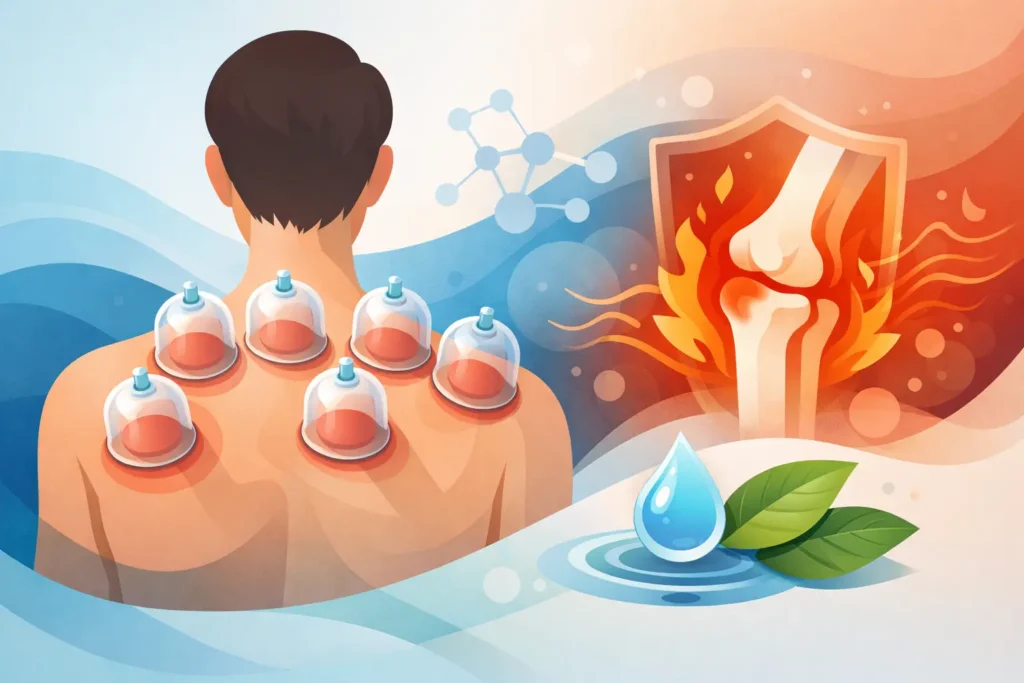
Cupping therapy uses suction to lift the skin and underlying superficial tissue. That gentle decompression changes pressure in the area, which can increase local circulation and reduce the dense, guarded feeling many patients describe around injured or overworked muscles. If inflammation is contributing to pain, stiffness, or swelling, that change in circulation may help the area move through the healing process more effectively.
Inflammation itself is not always the enemy. It is part of how the body repairs damage. The problem is when the inflammatory response becomes prolonged, excessive, or tied to repetitive strain. In those cases, tissues can stay irritated longer than they should. Cupping may help by improving blood flow, easing muscle guarding, and encouraging lymphatic movement in nearby tissues.
That does not mean cupping “cures” inflammation in a blanket sense. It is better thought of as a supportive therapy. For some people, that support leads to meaningful pain relief and better function. For others, it works best as one part of a broader plan that may also include acupuncture, rehab exercises, injury care, and physician-guided treatment.
Cupping therapy benefits for inflammation in real-world recovery
The most noticeable benefit for many patients is reduced pain with improved range of motion. Inflamed tissue often creates a cycle – irritation leads to muscle tightness, tightness changes movement, and poor movement causes more irritation. Cupping can help interrupt that pattern by loosening restricted soft tissue and making movement feel less guarded.
Another benefit is improved circulation to areas that feel stagnant or chronically tight. People with neck tension, upper back pain, shoulder strain, or low back flare-ups often describe a deep ache that feels hard to stretch away. Suction-based therapy can bring blood flow to those areas in a different way than direct pressure massage. For patients who are too sensitive for aggressive bodywork, that matters.
There is also a recovery benefit. Athletes, active adults, and people returning to work after an injury may use cupping to help manage soreness and support tissue recovery between treatments. When inflammation is tied to overuse, repetitive motion, or muscle compensation, cupping may reduce that heavy, congested feeling enough to help patients tolerate movement and rehabilitation better.
Some patients also notice a reduction in swelling or puffiness around affected regions, particularly when the issue involves soft tissue irritation rather than a major structural injury. This can be helpful after a strain, after intense physical activity, or during recovery from minor injury patterns where the area feels full, warm, and stiff.
Where cupping may help most
Cupping is commonly used for inflammatory pain patterns involving muscles and connective tissue. That includes back pain, neck pain, shoulder tightness, hip discomfort, hamstring strain, and areas affected by repetitive stress. It may also be helpful after an auto accident, when the body has developed widespread tension and local tissue irritation.
In clinic, it is often considered when a patient has pain that feels both tight and inflamed. For example, someone with shoulder pain may have tendon irritation, but they also have surrounding muscles working overtime to protect the joint. Treating only the joint or only the muscle may not be enough. Cupping can address part of that soft tissue component.
It may also support people with chronic pain who are trying to reduce their dependence on medication. That does not mean stopping prescribed medications without guidance. It means adding therapies that may improve pain control and function, so the body has more than one path toward relief.
What the marks mean and what they do not mean
One reason patients hesitate to try cupping is the circular marks it can leave behind. These marks are common and usually temporary. They are not bruises in the traditional sense caused by blunt trauma. Instead, they result from suction drawing blood to the surface layers of tissue.
The color and intensity can vary based on the area treated, the amount of tension in the tissue, and the technique used. Some marks are light pink and fade quickly. Others are darker and can last several days. More dramatic marks do not automatically mean better treatment. In a medically grounded setting, the goal is effective care, not aggressive treatment for its own sake.
Patients should also know that cupping should not feel sharply painful. A pulling or tight sensation is normal. If treatment feels excessive, it should be adjusted.
When cupping is useful, and when it is not enough
This is where nuance matters. Cupping can be very effective for soft tissue inflammation, muscle tension, and movement-related pain. It is less likely to be enough on its own for conditions driven by severe joint degeneration, major ligament tears, fractures, infections, blood clot risk, or systemic inflammatory disease that needs medical management.
That is why proper assessment matters. A swollen knee after a workout is different from a swollen knee after a traumatic injury. Persistent shoulder inflammation may come from overuse, but it can also involve a rotator cuff tear. If the root issue is structural or medical, cupping should support the plan, not replace necessary diagnosis and treatment.
For that reason, integrative care often gets the best results. A patient might receive cupping to reduce soft tissue irritation, acupuncture to help modulate pain, corrective exercise to improve mechanics, and physician oversight when medication review or imaging is needed. That kind of combined approach tends to be more practical than relying on one therapy to solve everything.
What a treatment plan may look like
Most patients do not need endless sessions. The right frequency depends on how long symptoms have been present, what caused them, and how the body responds after treatment. Acute issues may improve with a short series over a couple of weeks. Chronic inflammation often takes longer, especially if poor posture, repetitive work demands, old injuries, or limited mobility keep feeding the problem.
A typical plan may involve cupping once or twice weekly early on, then less often as pain settles and movement improves. If the area flares up again after long work shifts, workouts, or driving, that is useful information. It helps guide whether the treatment should focus more on maintenance, strengthening, or a different diagnosis.
At clinics such as Acupuncture & Injury, this kind of therapy is often most valuable when it is tied to a clear outcome – less pain, better mobility, improved sleep, easier recovery after injury, or reduced need for pain pills. Patients usually care less about the technique name than whether they can bend, lift, work, and rest with less suffering.
Is cupping safe for inflammation?
For most healthy adults, cupping is generally well tolerated when performed by a trained professional. Still, there are situations where it should be modified or avoided. That includes areas with open wounds, skin infection, active rash, certain vascular concerns, or significant bleeding risk. Patients taking blood thinners, those with fragile skin, or those with specific medical conditions should be screened carefully first.
It is also worth saying that soreness after treatment can happen. Some patients feel immediate relief. Others feel tender for a day before things loosen up. That response is not unusual, especially if the tissue has been irritated for a long time.
If you are dealing with pain that feels inflamed, tight, and slow to heal, cupping may be worth considering not as a miracle fix, but as a practical tool that can help your body recover with less dependence on medication and more attention to the source of the problem.
Leave a reply