Pain can make every decision feel smaller: whether you can work a full shift, sleep through the night, pick up a child, or drive without bracing for the next sharp turn. A guide to integrated pain management starts with a different question than “What pill will cover this up?” It asks what is causing the pain, what is keeping it active, and which combination of care can help you move forward safely.
For many people, pain is not one simple problem with one simple answer. It may involve an injured joint, tight or overworked muscles, inflammation, nerve irritation, poor sleep, stress, old compensation patterns, or concern about relying on medication. Integrated care brings appropriate treatments together under one coordinated plan rather than asking you to choose between medical care and natural therapies.
What Is Integrated Pain Management?
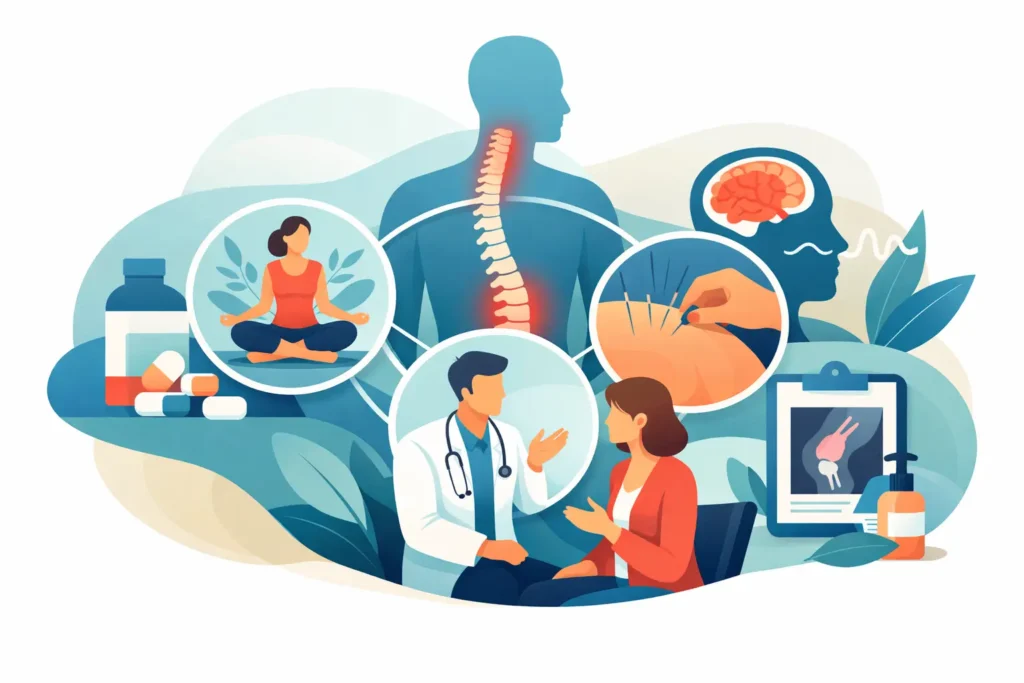
Integrated pain management is a whole-person approach to reducing pain and improving function. It combines evidence-informed non-surgical therapies with medical evaluation and oversight when needed. The goal is practical: help you do more with less pain, reduce unnecessary dependence on medication, and support recovery at a pace your body can tolerate.
This approach does not dismiss medication or assume that every pain condition can be solved with acupuncture alone. Some patients need prescription medication, imaging, specialist referral, injections, surgery, or urgent medical care. Others are good candidates for conservative treatment first. The right path depends on the source of pain, its severity, your medical history, and how pain affects your daily life.
At Acupuncture & Injury, integrated care can include acupuncture, electroacupuncture, cupping, StemWave shockwave therapy, injury treatment, and physician-guided pain or addiction care. These services are selected to address the patient in front of us, not to fit everyone into the same protocol.
Start With a Clear Assessment
Effective treatment begins with a careful conversation and examination. Your provider should ask when the pain began, whether it followed an auto accident or other injury, what movements make it worse, and whether you have numbness, weakness, headaches, sleep disruption, or changes in mood. Your health history matters too, including prior surgeries, medications, and past treatment results.
The assessment should also identify warning signs. Sudden weakness, loss of bowel or bladder control, chest pain, severe shortness of breath, fever with significant pain, or symptoms after a serious accident require prompt medical evaluation. Integrated care works best when serious conditions are recognized early rather than treated as routine muscle soreness.
A diagnosis is helpful, but it is not the entire plan. Two people with the same MRI finding can have very different pain levels and functional limits. A useful treatment plan measures what matters in real life: walking farther, returning to work, turning your head while driving, getting through a workout, or sleeping without waking from pain.
Treatments That Can Work Together
Acupuncture and Electroacupuncture
Acupuncture uses very thin needles placed at specific points to help regulate pain signaling, ease muscle tension, and support circulation. Many patients seek it for neck pain, low back pain, shoulder pain, headaches, knee pain, sciatica symptoms, and chronic muscle tightness. Treatments are typically tailored to the location of pain and the patterns contributing to it.
Electroacupuncture adds a mild electrical current between selected needles. It may be used when deeper muscle activation or stronger pain-modulating stimulation is appropriate. The sensation is usually a light pulsing or tapping, not a shock. For some injuries, it can complement hands-on treatment and a gradual return to normal activity.
Results vary. Acute pain from a recent strain may improve relatively quickly, while long-standing pain often needs a series of visits and changes in daily habits. A responsible provider will explain what progress should look like and reassess if treatment is not producing meaningful improvement.
Cupping for Muscle Tension and Recovery
Cupping uses suction to lift tissue rather than press down on it. It is often used for tight shoulders, back tension, restricted movement, and recovery after overuse. Some patients find that it helps muscles relax enough to move more comfortably after treatment.
Temporary circular marks can occur, especially with stronger suction. They are not bruises caused by injury, but they can be noticeable for several days. Cupping may not be appropriate for every person, particularly those with certain skin conditions, bleeding concerns, or blood-thinning medication use. Your provider should review those factors before treatment.
StemWave Shockwave Therapy
StemWave shockwave therapy uses acoustic waves to stimulate the body’s healing response in areas of chronic pain or soft-tissue dysfunction. It is commonly considered for stubborn tendon, joint, and muscle-related pain that has not responded well to rest alone. The treatment is non-surgical and does not require downtime for most patients.
It can be a useful option for conditions involving chronic irritation or poor tissue tolerance, but it is not a shortcut around proper diagnosis. The number of sessions, treatment intensity, and expected response depend on the area being treated and how long symptoms have been present. Some patients feel improvement quickly; others notice gradual changes as mobility and activity tolerance build.
Injury Care After an Auto Accident or Strain
Auto accidents can cause pain that shows up hours or days later. Whiplash symptoms, low back pain, headaches, shoulder strain, and muscle guarding may interfere with work and daily movement even after a seemingly minor collision. Early evaluation can document your condition and guide care before stiffness and compensation patterns become harder to reverse.
Injury care should be structured around function, not just symptom relief on the day of the visit. That may mean reducing inflammation and muscle guarding first, then restoring comfortable range of motion, followed by a gradual return to normal activity. Trying to push through pain too soon can prolong recovery. Staying completely inactive for too long can do the same.
Reducing Reliance on Pain Pills Safely
Many people come to pain care because they want relief without escalating medication. That goal deserves respect, especially for anyone who has experienced side effects, tolerance, dependence, or concern about opioids. Non-drug therapies can reduce the burden of pain for many conditions, but medication changes should never be made suddenly or without medical guidance.
For patients living with opioid dependence, integrated treatment may include medication-assisted treatment with buprenorphine options such as Suboxone, Subutex, Sublocade, or Brixadi. This is legitimate medical care, not a failure of willpower. Buprenorphine can help reduce cravings and withdrawal while allowing patients to stabilize their lives and participate more fully in recovery.
Pain and addiction can overlap in complicated ways. A nonjudgmental, physician-supervised plan can address both without treating the patient as a problem to be managed. The focus is dignity, safety, and a realistic path toward better health.
What a Personalized Plan Should Include
A good integrated plan has a clear starting point, a realistic timeline, and a way to measure progress. It should explain which therapies are being recommended, why they fit your condition, how often you may need care, and what you can do between visits. That may include pacing activity, gentle movement, hydration, sleep support, or specific changes to work and exercise routines.
It should also leave room to adjust. If pain is improving but function is not, the plan may need more focus on movement and strength. If a treatment causes an unexpected flare, intensity or frequency may need to change. If symptoms point to a condition outside the clinic’s scope, referral is part of good care, not a setback.
Cost and convenience matter as well. Pain treatment is more likely to work when patients can attend consistently and understand their options before starting. Ask about visit frequency, expected duration of care, insurance or payment questions, and what outcomes would suggest the plan is working.
When to Seek Help
You do not have to wait until pain becomes unbearable to ask for an evaluation. Persistent pain, recurring flare-ups, reduced range of motion, pain after an accident, or increasing reliance on medication are all good reasons to discuss a coordinated approach. Earlier care may help prevent a short-term injury from becoming a long-term limitation.
The right treatment plan should leave you feeling heard, informed, and actively involved in your recovery. Relief may come in steps, but each step toward better movement, better sleep, and greater confidence can help you reclaim more of your day.
Leave a reply