That first step out of bed can feel like landing on a nail. For many people with chronic heel pain, stretching, shoe changes, and rest help only partially or temporarily. Understanding how shockwave heals plantar fasciitis can help you decide whether this non-surgical treatment may be a practical next step toward walking, working, and exercising with less pain.
Plantar fasciitis occurs when the thick band of tissue running from the heel to the toes becomes irritated and painful. Despite the name, long-lasting cases are not always driven by active inflammation alone. The fascia can develop small areas of tissue breakdown and reduced flexibility, making it slow to recover. Shockwave therapy is designed to stimulate the body’s own repair response in that stubborn tissue.
What Shockwave Therapy Does for Heel Pain
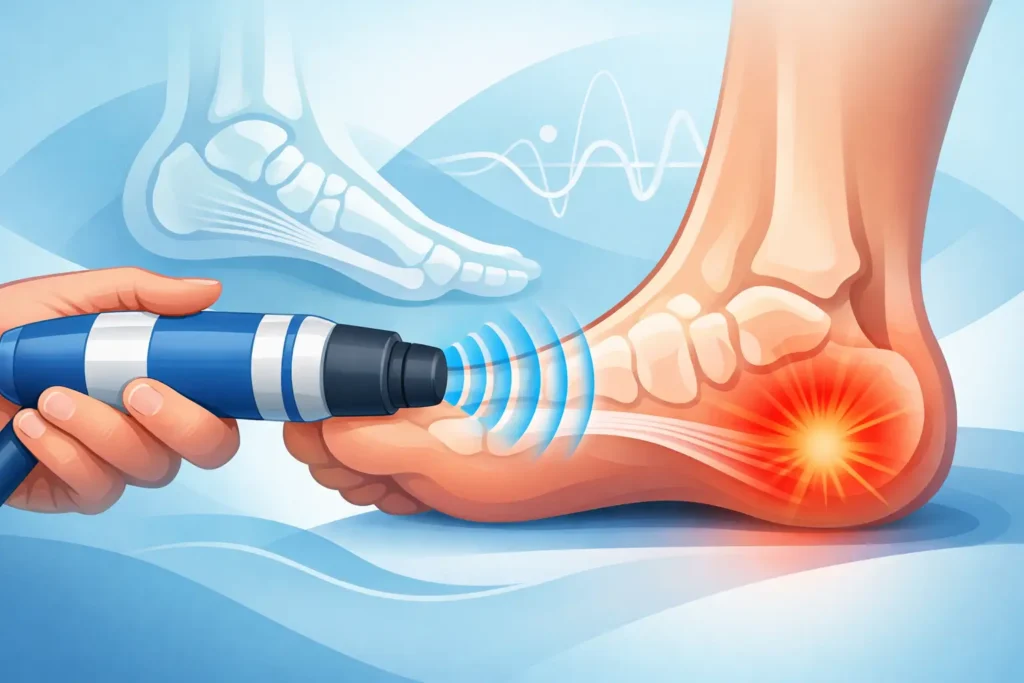
Shockwave therapy, also called extracorporeal shockwave therapy, uses focused acoustic pressure waves delivered through the skin to the painful area of the heel. These are not electrical shocks, and the treatment does not involve needles, surgery, or medication.
During treatment, the waves create controlled mechanical stimulation in the plantar fascia and nearby tissues. This stimulation signals the body to increase local circulation, activate cellular repair processes, and remodel tissue that has not healed well on its own. In practical terms, the goal is to help a chronically painful heel move out of a stalled healing cycle.
At Acupuncture & Injury, StemWave shockwave therapy may be considered for patients who want a non-drug option for chronic musculoskeletal pain. It can be especially appealing for people trying to reduce reliance on pain medication while still pursuing an active, clinically guided treatment plan.
How Shockwave Heals Plantar Fasciitis Over Time
Shockwave therapy is not a numbing procedure. Its value comes from encouraging biological changes that can support recovery after the appointment is over.
It promotes circulation and tissue repair
The plantar fascia receives limited blood flow compared with many other tissues. When heel pain has lasted for months, the body may need additional stimulation to restart a more productive repair response. Acoustic waves can encourage new microcirculation in the treated area, helping bring oxygen and nutrients to tissue that has been slow to recover.
The mechanical signal may also influence cells involved in collagen production and tissue remodeling. Collagen is a major structural component of the plantar fascia. Over time, healthier remodeling may improve the tissue’s ability to tolerate the repeated load of standing, climbing stairs, walking on hard floors, or returning to exercise.
It can reduce pain sensitivity
Chronic plantar fasciitis is not just a tissue problem. The nerves around a persistently painful heel can become more reactive. Shockwave treatment may help reduce pain signaling in the area, which can make it easier to move normally again.
That does not mean treatment erases pain instantly for everyone. Some patients notice an early improvement, while others experience temporary tenderness before gradual progress. The more meaningful measure is usually whether morning pain, walking tolerance, and daily function improve over several weeks.
It supports better movement during recovery
Pain changes how people walk. Many patients unconsciously shift weight to the outside of the foot or avoid pushing off through the toes. That compensation can strain the ankle, knee, hip, and opposite foot.
As heel pain becomes more manageable, it is easier to restore a more natural walking pattern. This is one reason shockwave therapy often works best as part of a broader care plan rather than as a stand-alone fix. Addressing calf tightness, footwear, activity demands, and foot mechanics gives the healing plantar fascia a better chance to stay improved.
What a Shockwave Appointment Feels Like
A clinician first identifies the tender areas around the heel and plantar fascia. Gel is applied to the skin, and a handheld device delivers pulses to the treatment area. Appointments are typically brief, and patients can usually walk out afterward without downtime.
The sensation varies. Many people describe it as a rapid tapping or firm pulsing feeling. The intensity can be adjusted to remain tolerable while still delivering a therapeutic dose. A sore or bruised feeling for a day or two can occur, particularly if the heel was very sensitive before treatment.
Because this therapy is noninvasive, it may fit well for adults who cannot afford a long recovery period from surgery or who want to explore conservative care before considering more invasive options. However, noninvasive does not mean appropriate for every person. A proper evaluation matters.
Who May Be a Good Candidate?
Shockwave therapy is often considered when plantar heel pain has continued for several months despite basic conservative care, such as supportive shoes, activity modification, stretching, ice, or over-the-counter inserts. It may also help people whose work requires long hours on their feet and who need an option that does not interrupt their schedule.
Before treatment, a clinician should confirm that plantar fasciitis is the likely source of pain. Heel pain can also come from a stress fracture, nerve irritation, arthritis, Achilles tendon problems, a heel pad injury, or other conditions. Treating the wrong diagnosis can delay appropriate care.
Shockwave may not be recommended for everyone. Pregnancy, certain bleeding disorders, active infection, open wounds near the treatment site, or particular medical devices and medications can affect treatment decisions. Your clinician should review your health history and discuss whether modifications or another approach would be safer.
Results Depend on More Than the Machine
A common question is how many sessions are needed. The honest answer is that it depends on how long the pain has been present, the severity of tissue irritation, your activity level, body mechanics, footwear, and how consistently you follow the rest of the treatment plan. Chronic cases often require a series of treatments rather than a single visit.
Shockwave can be highly useful, but it cannot fully overcome the same daily stresses that contributed to the problem. If a worn-out shoe, a sudden jump in running mileage, tight calves, or hours on concrete continue to overload the fascia, progress may be slower. Temporary changes to activity are not a failure. They give the tissue room to respond while you build back capacity.
A practical recovery plan may include targeted calf and foot stretching, gradual strengthening, supportive footwear or orthotics when appropriate, and guidance on returning to exercise. Acupuncture or other conservative pain-management options may also be considered based on the individual patient. The aim is not simply to get through the next painful day. It is to improve the conditions that allow the foot to keep functioning well.
When to Seek an Evaluation Soon
Do not assume every heel pain is plantar fasciitis. Seek timely medical evaluation if you cannot bear weight, have sudden severe pain after an injury, notice marked swelling or redness, develop numbness, have fever, or have diabetes with a new foot wound or skin change. Those symptoms may require a different type of care.
For the more typical pattern of pain under the heel that is worst with first steps in the morning or after sitting, an evaluation can clarify whether shockwave therapy fits your needs. You deserve a plan based on the cause of your pain, not a one-size-fits-all promise.
Heel pain can make even a short trip across the kitchen feel exhausting. With an accurate diagnosis, thoughtful activity changes, and the right non-surgical treatment plan, shockwave therapy may help your plantar fascia begin moving toward a stronger, less painful recovery.
Leave a reply