Pain can shrink a person’s world quickly. A sore back can make a work shift feel impossible. Whiplash can turn checking a blind spot into a sharp reminder of an accident. Chronic knee, neck, or shoulder pain can interfere with sleep, exercise, and time with family. When relief feels urgent, medication may seem like the only answer. It is not.
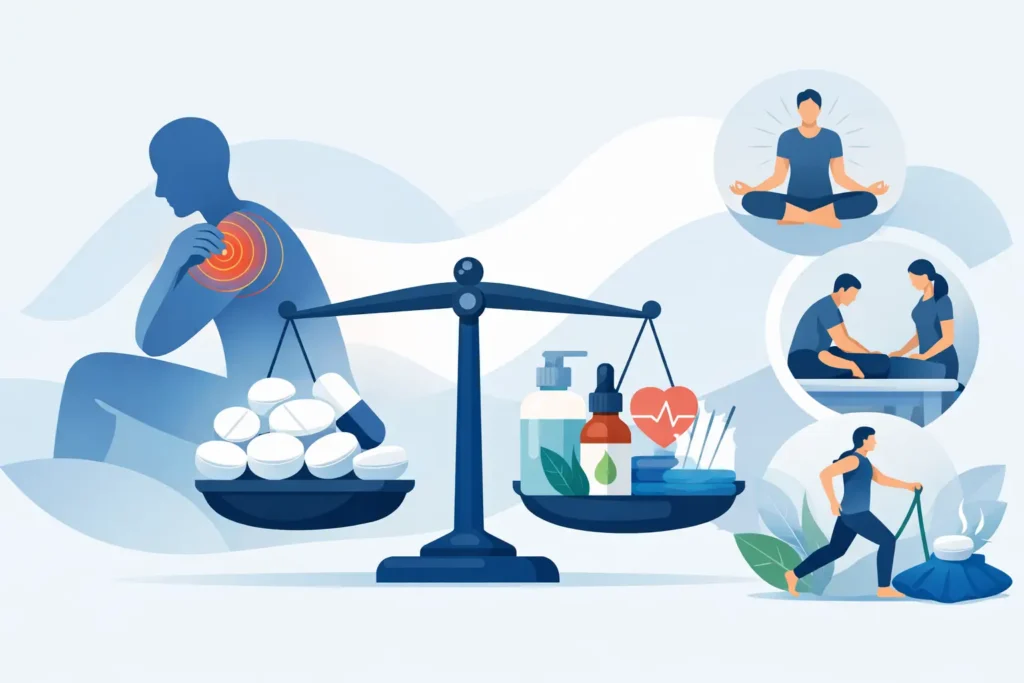
Many people can manage pain without opioids by identifying what is driving the pain and using a treatment plan that improves healing, mobility, and daily function. The right plan is not about telling someone to simply tolerate pain. It is about offering effective options that address the body while protecting long-term health.
Start With the Cause of the Pain
Pain is a signal, not always a complete diagnosis. Two people may describe the same level of low back pain but need very different care. One may have a muscle strain after lifting. Another may have pain referred from the hip, a disc-related problem, nerve irritation, arthritis, or an injury from a car accident.
A thorough evaluation should look at when the pain started, what movements make it worse, prior injuries, work demands, medications, sleep, stress, and changes in strength or sensation. This helps determine whether conservative treatment is appropriate and which therapies are most likely to help.
Some symptoms need prompt medical attention rather than a wait-and-see approach. New bowel or bladder problems, severe or worsening weakness, numbness in the groin area, fever with significant back pain, chest pain, trouble breathing, or pain after a serious fall should be assessed urgently. Non-opioid care works best when it begins with the right diagnosis.
How to Manage Pain Without Opioids: Build a Layered Plan
There is no single treatment that works for every person or every condition. The most useful plans often combine several approaches, with each one serving a clear purpose. For example, a patient with a strained shoulder may need pain reduction at first, then mobility work, then gradual strengthening to prevent the problem from returning.
The goal is not necessarily to have zero discomfort immediately. A meaningful goal may be sleeping through the night, getting back to work, walking farther, driving comfortably, or playing with your children without paying for it the next day. Function is a powerful measure of recovery.
Acupuncture for pain and muscle tension
Acupuncture is a drug-free treatment commonly used for back pain, neck pain, headaches, joint pain, muscle tension, and injury recovery. Very fine needles are placed at targeted points based on the patient’s condition. Treatment can help calm irritated pain pathways, improve circulation in tight tissue, and encourage the body’s natural pain-regulating response.
For some patients, acupuncture provides noticeable relief after the first visit. For others, progress builds over a series of treatments. Response depends on the condition, how long pain has been present, activity level, and other health factors. It is not a replacement for every form of medical care, but it can be a valuable part of a non-medication plan.
Electroacupuncture uses a mild electrical current with acupuncture needles. It may be recommended when a patient has persistent muscle tightness, nerve-related discomfort, or pain that has not responded fully to basic treatment. The treatment should be adjusted to the individual’s comfort level and medical history.
Shockwave therapy for certain injuries
Shockwave therapy, including StemWave treatment, uses acoustic waves to stimulate the body’s healing response in targeted areas. It is often considered for stubborn tendon and soft-tissue problems, including some cases of plantar fasciitis, tennis elbow, shoulder pain, hip pain, and knee pain.
This treatment is not appropriate for every painful condition. A recent fracture, certain circulation concerns, implanted devices, pregnancy, or the specific location of an injury may affect whether it is recommended. When appropriate, shockwave therapy can be useful for patients who want a non-surgical option that supports tissue recovery rather than simply masking symptoms.
Injury care that restores movement
After an auto accident or other injury, pain can linger because the body begins protecting the affected area. Muscles tighten, movement becomes limited, and normal activities feel threatening. Rest may be needed briefly, but too much rest can lead to stiffness and loss of conditioning.
A structured injury care plan may include hands-on treatment, acupuncture, cupping, therapeutic movement, and progressive activity recommendations. Cupping can be used to reduce muscle tightness and improve local circulation, especially in the neck, shoulders, back, and legs. The purpose is to help patients move more comfortably and safely as healing progresses.
The right level of activity matters. Pushing through sharp or escalating pain can aggravate an injury, while avoiding all movement can slow recovery. A clinician can help set realistic boundaries: which movements are safe, how often to walk or stretch, and when to begin strengthening.
Daily Habits That Support Pain Relief
Clinical treatment has more impact when daily routines support it. Sleep, movement, stress, and pacing all influence how the nervous system experiences pain. That does not mean pain is “all in your head.” It means the body’s alarm system becomes more sensitive when it is exhausted, stressed, or repeatedly overloaded.
Simple changes can make treatment gains hold longer. Use supportive positions for sleep, especially if neck or low back pain wakes you. Break up long periods of sitting or driving with short movement breaks. Return to activity gradually rather than trying to make up for lost time on a good day. For inflammatory conditions, a physician may also discuss appropriate non-opioid medications, topical treatments, or other medical options based on your health history.
Nutrition and hydration are not miracle cures, but they matter during recovery. Regular meals with adequate protein can support tissue repair, while dehydration and skipped meals can worsen fatigue, headaches, and muscle cramping. For patients whose pain is made worse by stress, breathing exercises, counseling, or relaxation practices may reduce muscle guarding and improve sleep.
Opioid Safety and Dependence Support
Opioids can be appropriate in limited medical situations, particularly for severe acute pain under careful supervision. But they carry real risks, including constipation, sedation, tolerance, dependence, and overdose. Long-term use may also make some people more sensitive to pain over time.
If you are already taking opioid medication, do not stop suddenly on your own. Abrupt discontinuation can cause withdrawal and may intensify pain, anxiety, insomnia, and cravings. A physician-guided plan can help determine whether a gradual taper, a change in pain treatment, or additional support is appropriate.
For people living with opioid dependence, treatment should be compassionate and medical, never shame-based. Medication-assisted treatment with buprenorphine options such as Suboxone, Subutex, Sublocade, or Brixadi can reduce withdrawal symptoms and cravings while supporting recovery. This is different from ignoring pain. It means treating substance use disorder safely while also addressing injuries, chronic pain, sleep, and overall function.
At Acupuncture & Injury, patients can access integrative pain care alongside physician-guided addiction treatment when both needs are part of the picture. That combination can be especially helpful for someone who feels caught between untreated pain and fear of relying on pills.
Choose Care Based on Your Goals
The best non-opioid plan is personal. A warehouse worker with new sciatica may need a different approach than a veteran with years of neck pain or a patient recovering from a collision. Be clear about what you need to regain: work capacity, sleep, exercise, independence, or peace of mind.
Pain relief should give you more of your life back, not create another problem to manage. With a careful evaluation, realistic goals, and consistent treatment, there are practical paths forward that do not depend on opioids.
Leave a reply