A prescription that once made it possible to work, sleep, or get through physical therapy can become difficult to step away from. If you are ready to taper pain medication, the goal is not to prove toughness by stopping suddenly. The goal is to lower medication safely while protecting your comfort, function, and recovery.
For many people, tapering is a gradual, medically guided process. The right plan depends on the medication, dose, length of use, reason it was prescribed, other health conditions, and whether pain is still limiting daily life. A thoughtful plan gives your body time to adjust and gives you other tools to manage pain along the way.
Why you should not taper pain medication on your own
Pain medications are not all the same. Opioid medications such as hydrocodone, oxycodone, morphine, tramadol, and fentanyl can cause physical dependence after regular use. Dependence means the body has adapted to the medication. It can happen even when a person takes prescriptions exactly as directed, and it is not the same thing as addiction.
Stopping opioids abruptly or reducing too quickly can cause withdrawal symptoms such as anxiety, sweating, chills, body aches, nausea, diarrhea, insomnia, and a sharp increase in pain sensitivity. This can make a person feel miserable and may lead them to restart medication at an unsafe dose. After even a short period off opioids, tolerance can drop, increasing overdose risk if someone returns to their previous dose.
Other medications used for pain can also require careful changes. Certain nerve-pain medications, muscle relaxants, sleep medications, and anti-anxiety medicines may need to be reduced gradually. Your prescriber or a qualified medical provider should review every prescription, over-the-counter medication, and supplement before changes are made.
A safe taper starts with a clear reason and a realistic plan
A taper does not need to be rushed. Some patients want to reduce side effects such as constipation, grogginess, low energy, or mental fog. Others are concerned about long-term opioid use, want to avoid dose increases, are preparing for surgery, or feel their medication no longer provides meaningful relief. Whatever the reason, it should be discussed without judgment.
A clinician will typically begin by reviewing your current medication schedule, pain history, injury status, sleep, mood, activity level, and prior attempts to reduce medication. They may also look for factors that can make tapering harder, including untreated depression or anxiety, severe insomnia, alcohol use, or unstable medical conditions.
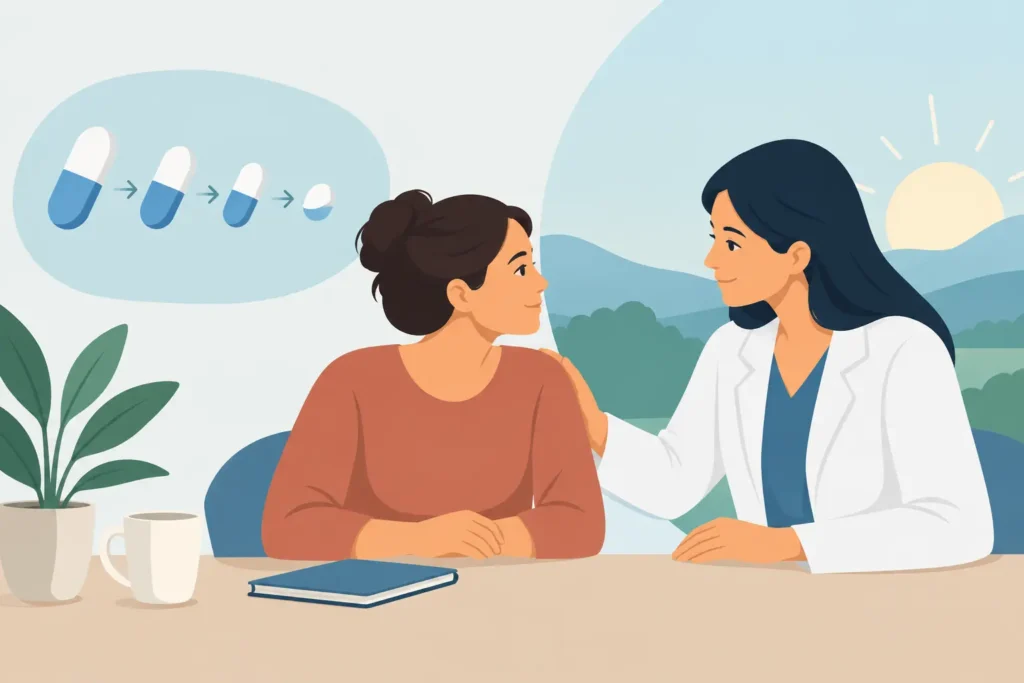
The pace should fit the person, not a calendar. For someone who has used opioids for months or years, reductions are often small and spread over weeks or longer. Some people need to pause at a dose while their symptoms settle. Others may be able to move more quickly under close supervision. A successful taper is not necessarily a straight line.
Set goals beyond the pill bottle
Dose reduction is one measurement, but it should not be the only one. A stronger plan also tracks what you want to regain: walking the dog without stopping, getting through a work shift, sleeping longer, driving comfortably, or returning to exercise without a pain flare.
This matters because pain and medication use often become tied to fear of movement. If you have been avoiding activities because you expect pain, gradual rehabilitation can help rebuild confidence. Progress may look like better movement and fewer bad days, even before medication changes are complete.
What to expect while tapering pain medication
Even a well-designed taper can bring temporary discomfort. You may notice changes in sleep, irritability, restlessness, stomach symptoms, or increased aches. These symptoms do not mean you have failed or that you must return to your former dose. They are information your care team can use to adjust the plan.
Be honest about what you are feeling. Do not take extra medication, borrow pills, or mix medication with alcohol or sedatives to get through withdrawal symptoms. Combining opioids with alcohol, benzodiazepines, or other sedating substances can slow breathing and become life-threatening.
Call your medical provider promptly if withdrawal symptoms are severe, pain is suddenly worsening, you feel unable to cope, or you are considering taking medication outside the plan. Emergency help is appropriate for trouble breathing, chest pain, confusion, fainting, or thoughts of harming yourself.
Support pain relief while you taper medication
Reducing medication works better when pain care expands at the same time. Medication may have been doing more than controlling physical pain. It may have helped you sleep, feel less anxious about movement, or simply get through a demanding day. Replacing those supports matters.
At Acupuncture & Injury, care can combine physician-guided medication changes with non-drug therapies designed to reduce pain and improve function. The treatment plan should match the source of pain, whether it is related to an auto injury, arthritis, repetitive strain, back pain, nerve irritation, or a long-standing condition.
Acupuncture and electroacupuncture
Acupuncture uses thin, sterile needles at specific points to support the body’s pain-regulation systems. Many patients seek it for muscle tension, back and neck pain, headaches, joint discomfort, and stress that worsens pain. Electroacupuncture adds gentle electrical stimulation when clinically appropriate and may be used to target persistent muscle or nerve-related symptoms.
These treatments are not a replacement for necessary medical care, but they can be a useful part of a broader taper plan. When pain is better controlled between doses, it may feel more manageable to follow a gradual reduction schedule.
Shockwave therapy and injury-focused care
For certain musculoskeletal conditions, shockwave therapy may support healing in injured or chronically painful tissue. It is often considered for problems involving tendons, fascia, or areas where pain has limited activity. Injury care may also include movement guidance and strategies to help you return to daily tasks without repeatedly aggravating the same area.
The right approach depends on the diagnosis. A recent injury, a herniated disc, and widespread chronic pain do not respond to the same treatment plan. That is why an evaluation comes before promises.
Sleep, movement, and daily routines
Pain usually feels louder when sleep is poor. During a taper, protect a consistent bedtime, limit late caffeine, and discuss sleep problems early instead of trying to manage them alone with extra medication. Gentle, regular movement can also reduce stiffness and fear avoidance, but it should be paced. A dramatic workout after months of inactivity may create a flare that makes tapering feel impossible.
Small routines are often more useful than heroic efforts: a short walk, prescribed stretches, regular meals, hydration, and a scheduled relaxation practice. These actions will not erase severe pain overnight. They can, however, lower the number of stressors competing with your recovery.
When opioid dependence is part of the picture
If you are taking more medication than prescribed, running out early, craving opioids, or continuing to use despite consequences, you deserve compassionate medical support. These signs can point to opioid use disorder, a treatable medical condition. Shame keeps many people from asking for help and can make a dangerous situation worse.
Medication-assisted treatment can be appropriate for people with opioid dependence. Buprenorphine-based options, including Suboxone, Subutex, Sublocade, and Brixadi, may reduce withdrawal symptoms and cravings under physician supervision. This is different from simply trying to white-knuckle an opioid taper. The best path depends on your health history, current use, pain needs, and recovery goals.
A person can need both pain treatment and addiction treatment. Those needs are not mutually exclusive, and care should address both with dignity.
Questions to bring to your appointment
Before changing your medication, ask who will manage the taper, how often you will check in, what symptoms should prompt a call, and what alternatives are available if pain increases. Ask whether you should keep naloxone at home if opioids are involved, particularly if anyone in the household is at risk of accidental exposure or overdose.
Also ask what success looks like for you. For some patients, success is complete discontinuation. For others, it is a lower, safer dose combined with improved function and fewer side effects. A good plan is individualized, medically supervised, and flexible enough to respond to real life.
Taking the next step does not require you to have every answer. It requires a conversation with a provider who will listen, assess your options, and help you build a path toward less pain and more control.
Leave a reply