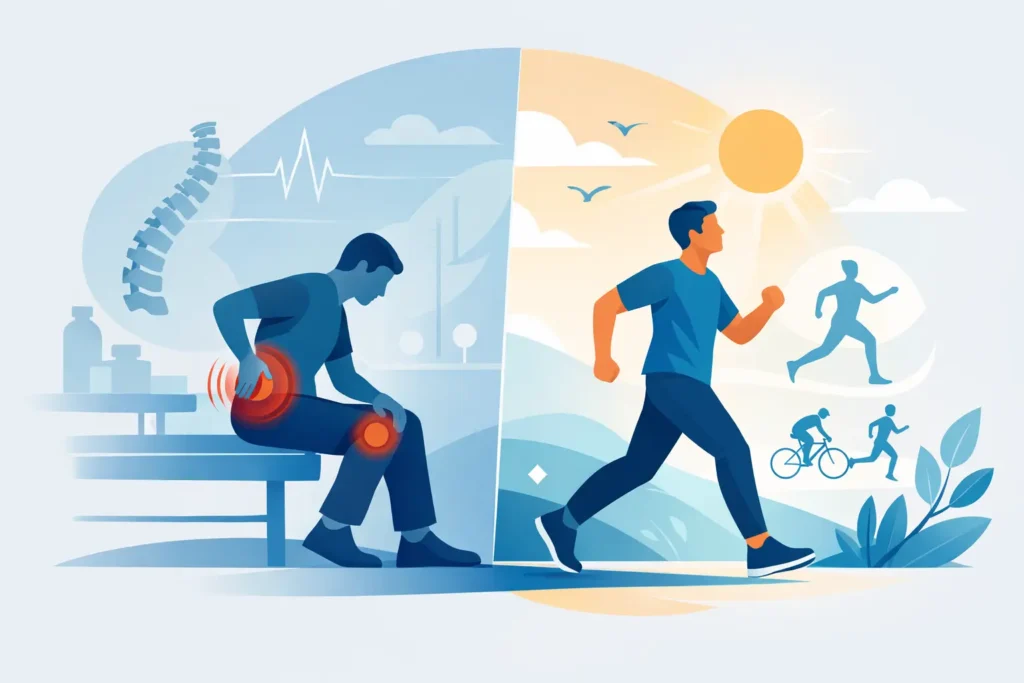
A painful shoulder can make getting dressed frustrating. Low back pain can turn a normal workday into a long series of careful movements. After a car accident, pain may not fully appear until the next morning. Effective pain management begins by taking these changes seriously, identifying what may be driving them, and creating a plan that helps you return to normal activity with less reliance on medication.
At Acupuncture & Injury, care is built around a simple goal: help patients reduce pain, restore function, and move forward with confidence. That can include natural therapies, physician-guided care, or a combination of both. The right approach depends on the source of your pain, your medical history, your daily demands, and how your body responds to treatment.
Pain Management Starts With the Cause of Your Pain
Pain is a signal, not always a complete explanation. Two people can describe the same aching knee or stiff neck and need very different care. One may be dealing with muscle strain and inflammation after lifting. Another may have a joint issue, nerve irritation, arthritis, or an injury that did not heal as expected.
A useful evaluation looks beyond the pain score. It considers when symptoms began, whether they followed an accident or repetitive activity, what movements make them worse, and how they affect sleep, work, exercise, and daily responsibilities. For injury patients, this also includes checking for reduced range of motion, muscle guarding, swelling, weakness, and changes in sensation.
The goal is not to chase pain from one appointment to the next. It is to understand the pattern well enough to choose treatments that support healing and help prevent a short-term issue from becoming a chronic one.
Non-Surgical Pain Management Options
Many patients want relief but do not want to start with surgery or depend on pain pills for months. Non-surgical care can be a practical option for many musculoskeletal problems, especially when treatment begins early and is paired with appropriate activity changes.
Acupuncture for Pain and Muscle Tension
Acupuncture uses thin, sterile needles placed at specific points on the body. It is commonly used to help reduce muscle tension, support circulation, and calm pain signals. Some patients notice an improvement after their first few visits, while others with long-standing pain need a more gradual treatment plan.
Acupuncture can be considered for back and neck pain, headaches, shoulder discomfort, knee pain, sciatica-type symptoms, joint stiffness, and chronic muscle tightness. It is not a replacement for emergency care or a diagnosis when serious symptoms are present. It can, however, be a valuable part of a broader recovery plan for patients who want a low-drug option.
Electroacupuncture may also be recommended in some cases. This treatment uses a gentle electrical stimulation through acupuncture needles to support muscle activation and pain relief. It is often used when tight muscles, nerve-related discomfort, or persistent injuries are limiting movement.
Cupping for Tight, Overworked Tissue
Cupping uses suction to lift the skin and underlying soft tissue. It may help patients with tight muscles, restricted movement, and lingering soreness, particularly in the back, shoulders, hips, and legs. The circular marks that can appear afterward are temporary and are not the same as a painful bruise.
Cupping is not necessary for every patient. For some, acupuncture and guided rehabilitation may be the better fit. A treatment plan should reflect your condition rather than follow a one-size-fits-all routine.
Shockwave Therapy for Stubborn Pain
StemWave shockwave therapy uses acoustic waves to stimulate the body’s natural healing response in injured or irritated tissue. It may be helpful for certain chronic tendon, joint, and soft-tissue conditions that have not improved with rest alone.
Patients often seek shockwave therapy for issues such as plantar fasciitis, tennis elbow, shoulder pain, knee pain, hip pain, and other areas of persistent tendon or connective tissue discomfort. Treatment is non-invasive and does not require surgery, but it is not appropriate for every condition. The treatment area, severity of symptoms, and your health history all matter.
A realistic expectation is important. Healing tissue takes time, particularly when pain has been present for months or years. The purpose of care is not simply to create a brief reduction in symptoms. It is to improve comfort and function over a course of treatment.
Injury Care Should Address More Than Soreness
After an auto accident, a fall, or a workplace injury, pain may initially feel manageable. Adrenaline can mask symptoms, and stiffness may build over several days. Ignoring that change can make it harder to return to work, sleep comfortably, or complete normal tasks.
Injury care may include acupuncture, cupping, electroacupuncture, shockwave therapy, and physician-guided recommendations based on the nature of the injury. Treatment focuses on reducing inflammation, restoring movement, easing muscle spasm, and supporting the body as it heals.
For auto accident patients in Marietta and the greater Atlanta area, prompt documentation and a clear treatment plan can also be helpful when an injury affects insurance claims or work responsibilities. More importantly, early care gives you a chance to address pain before compensating for it creates new problems in the neck, back, hips, or shoulders.
Reducing Dependence on Pain Medication
Prescription pain medication has an appropriate role in certain situations, including acute injury, post-surgical recovery, and severe pain that requires medical management. But long-term use can bring difficult trade-offs, including side effects, tolerance, dependence, and the fear of what will happen if you try to stop.
A pain management plan that includes non-drug therapies may help some patients reduce their reliance on medication under medical supervision. This should never mean abruptly stopping a prescribed medication or attempting to manage withdrawal alone. Medication changes should be directed by a qualified clinician who understands your full medical history.
For individuals struggling with opioid dependence, treatment should be compassionate and medically grounded. Medication-assisted treatment with options such as buprenorphine can reduce cravings and withdrawal symptoms while allowing patients to focus on stability, counseling, relationships, and daily life. Seeking help is not a failure of willpower. It is a healthcare decision that deserves privacy, respect, and ongoing support.
What a Practical Treatment Plan Looks Like
The best treatment plan is one you can realistically follow. If you cannot take time away from work every day, care should account for that. If you are caring for family, recovering from an accident, or worried about medication costs, those realities should be part of the conversation.
Your plan may include a short series of visits to calm an acute flare-up, followed by a reassessment of pain, mobility, and function. Chronic conditions may call for a longer approach with periodic maintenance care. Progress is not always perfectly linear. A demanding week, poor sleep, a long drive, or returning to exercise too quickly can temporarily increase symptoms.
What matters is whether you are gaining ground over time. Can you turn your head more easily? Walk farther? Sleep through the night? Get through a shift without constantly protecting one side of your body? These functional improvements are often more meaningful than a single number on a pain scale.
When Pain Needs Urgent Medical Attention
Not every painful condition should be treated in an outpatient clinic first. Seek urgent medical care for chest pain, difficulty breathing, sudden weakness, facial drooping, confusion, loss of bladder or bowel control, severe new numbness, a high fever with severe pain, or pain after a major traumatic injury.
You should also contact a medical professional promptly if pain is rapidly worsening, follows a serious accident, or comes with unexplained weight loss, persistent night pain, or signs of infection. A thorough pain management plan begins with recognizing when specialized or emergency evaluation is needed.
You do not have to choose between a natural approach and medically supervised treatment. The most useful care meets you where you are, treats the problem in front of you, and gives you a realistic path back to the activities that make your life feel like your own.
Leave a reply