That nagging tendon pain often starts small – a sore elbow after work, a stiff Achilles after a run, a shoulder that never quite settles down. Then it lingers for weeks or months, making simple things harder than they should be. For many patients, stemwave therapy for tendon pain becomes appealing when rest, ice, stretches, and medication have not solved the problem.
Tendon pain can be stubborn because tendons do not always heal quickly. They have a more limited blood supply than muscle, and once irritation turns chronic, the body may struggle to fully repair the tissue on its own. That is why some cases improve only partway, then plateau. The pain may become less about a fresh injury and more about a tendon stuck in a poor healing cycle.
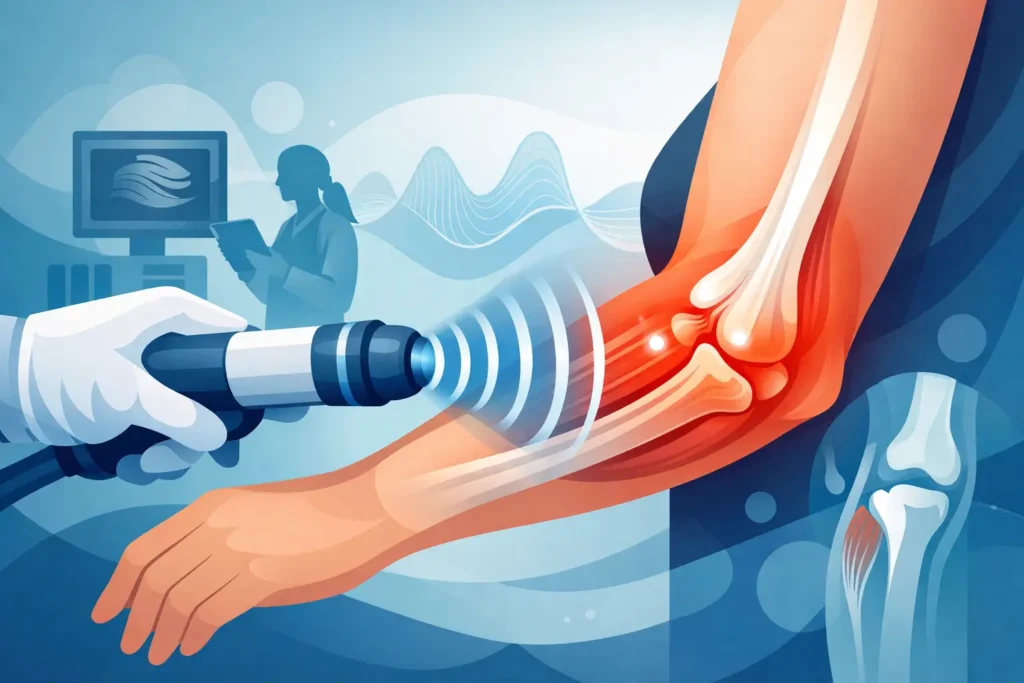
StemWave is a form of extracorporeal shockwave therapy that uses acoustic waves to stimulate the body’s natural repair response. Despite the name, it does not involve surgery, injections, or electrical shocks. Treatment is performed from outside the body, and the goal is straightforward – reduce pain, improve function, and encourage healing in irritated or damaged tendon tissue.
How stemwave therapy for tendon pain works
When a tendon has been overloaded or injured, the tissue can become disorganized. In some cases there is ongoing inflammation. In others, the bigger issue is degeneration and failed healing rather than active swelling. StemWave therapy delivers targeted mechanical energy into the area, which can help increase circulation, stimulate cellular activity, and restart a healing response that has slowed down.
Patients often ask whether this is just another temporary pain treatment. The better answer is that it depends on the condition being treated. Some therapies mainly mask symptoms for a few hours or days. StemWave is different because it is intended to support tissue repair, not only numb pain. That does not mean every tendon problem resolves completely, but it does mean the treatment is aimed at the source of the problem rather than only the feeling of pain.
The most common tendon complaints seen in clinics include plantar fasciitis with tendon-related strain, Achilles tendinopathy, tennis elbow, golfer’s elbow, rotator cuff tendon pain, patellar tendon pain, and chronic hip tendon irritation. These conditions can affect athletes, workers with repetitive strain, active adults, and people recovering from an accident or overuse injury.
Which tendon problems respond best?
StemWave tends to make the most sense for tendon pain that has lasted long enough to become frustrating. If you have had symptoms for several weeks or months and have already tried basic conservative care, this treatment may be worth considering. Chronic tendon problems often respond better than people expect because the therapy is designed to wake up tissue that has stalled in the healing process.
That said, newer injuries can also benefit in the right setting. A clinician will usually consider how long the pain has been present, where the tendon is located, how severe the damage appears to be, and whether there are signs of tearing or another issue that needs a different approach.
This matters because not all tendon pain is the same. Mild tendon irritation from overuse is different from a partial tear. Pain near a tendon can also come from a joint, nerve, bursa, or referred pain pattern. A proper evaluation helps make sure the treatment matches the problem.
What a treatment plan usually looks like
A typical StemWave visit is relatively quick. The provider identifies the painful area, applies the treatment head to the skin, and delivers pulses of acoustic energy to the tissue. Most patients describe the sensation as intense but tolerable. Areas with more inflammation or sensitivity may feel sharper during treatment, while other areas feel more like repeated tapping.
You usually do not need downtime after the appointment. Many people return to work or normal activity the same day, though aggressive exercise may need to be modified for a period of time. That is an important point. StemWave is not a license to keep overloading an injured tendon. The treatment works best when combined with smart recovery habits.
Most patients need a series rather than a single visit. The exact number depends on the location of the tendon, how long the problem has been present, and how the body responds. Some people notice change after one or two sessions. Others improve more gradually over several weeks.
Why patients look for alternatives to pills
Tendon pain can interfere with sleep, work, workouts, and basic movement. It is understandable that people want relief fast. The problem is that medication alone often does not fix chronic tendon dysfunction. Anti-inflammatory drugs may reduce discomfort temporarily, but they do not necessarily restore tissue health. Stronger pain medication brings its own risks, especially when pain drags on and the need for relief becomes a daily issue.
That is one reason non-surgical options have become more attractive. Patients want to keep functioning without becoming dependent on pain pills or being told surgery is the next step. A treatment approach centered on healing and function is often a better fit for long-term tendon problems.
At a clinic model like Acupuncture & Injury, that philosophy matters. Patients are not forced to choose between holistic care and physician-guided medicine. If StemWave is appropriate, it can be part of a broader plan designed to reduce pain, improve mobility, and help people move toward being pain free without pills.
StemWave therapy versus rest, injections, and surgery
Rest has value, especially early on, but rest alone is not always enough for chronic tendon pain. Many patients have already reduced activity and are still hurting. In those cases, the tendon may need more than time.
Injections can be helpful in specific situations, but they are not always the first choice for tendon problems. Some may calm pain quickly, yet repeated use around tendons can raise concerns depending on the medication and location. Surgery may be appropriate for severe tears or cases that fail more conservative care, but most patients would prefer a lower-risk option first when that makes clinical sense.
StemWave fits into that middle space. It is more active than waiting it out, less invasive than surgery, and aimed at improving the tissue environment rather than simply suppressing symptoms. Still, it is not magic. If a tendon continues to be overloaded by poor mechanics, repetitive strain, or a demanding job, improvement may be slower and ongoing support may be needed.
Getting better results from treatment
The best outcomes usually come from combining StemWave with a well-rounded plan. That may include acupuncture for pain control and muscle tension, guided stretching, strengthening, activity modification, and treatment of related areas that are contributing to the stress on the tendon.
For example, elbow tendon pain may be tied to repetitive grip strain and tight forearm muscles. Achilles pain may improve faster when calf strength, ankle mobility, and walking mechanics are addressed. Shoulder tendon pain often involves posture, neck tension, and scapular control. Treating the tendon alone helps, but treating the whole pattern often helps more.
Patients also do better when expectations are realistic. The goal is not usually to feel perfect overnight. The more meaningful signs are reduced pain during daily activity, less morning stiffness, better tolerance for work or exercise, and steady progress over time.
Who should ask about stemwave therapy for tendon pain?
If you have tendon pain that keeps returning, has lasted longer than expected, or is limiting your ability to work, train, or sleep comfortably, it is reasonable to ask whether StemWave could help. This is especially true if you are trying to avoid long-term medication use or want to pursue a non-surgical option before considering more invasive care.
It may be a strong fit for adults dealing with repetitive strain, sports injuries, overuse problems, or lingering pain after an accident. In a medically supervised setting, it can also be easier to determine when StemWave is the right choice and when imaging, a different diagnosis, or another treatment path should come first.
The right next step is not guessing. It is getting the tendon evaluated, understanding what is actually driving the pain, and choosing treatment based on that finding. For many people, that clarity alone is a relief.
Tendon pain has a way of shrinking your world one movement at a time. The good news is that you do not have to settle for masking it and hoping for the best. When treatment is focused on healing, not just getting through the day, recovery starts to feel possible again.
Leave a reply