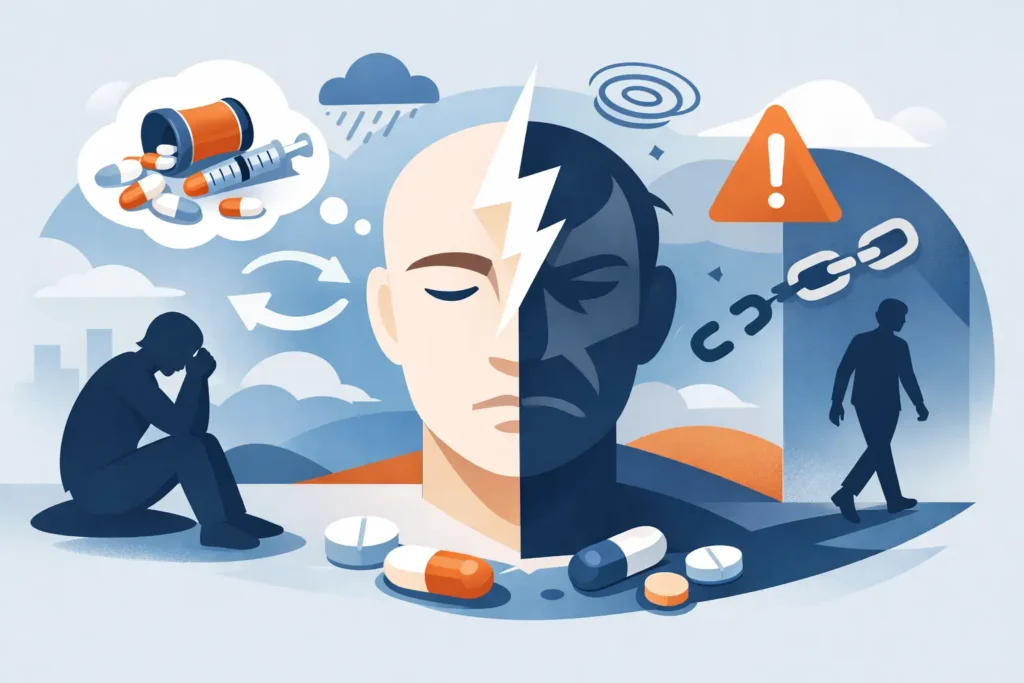
A relapse rarely begins with one obvious moment. It may start with increased pain, a missed appointment, contact with an old source, or the thought that one pill will make a difficult day manageable. Knowing the top signs of opioid relapse can help a person in recovery, a family member, or a care team respond early – with support rather than shame.
Relapse does not mean someone has failed or that treatment is no longer working. Opioid use disorder is a medical condition, and recovery often requires adjustments over time. The goal is to recognize changes quickly, reduce overdose risk, and reconnect the person with appropriate medical care.
Top Signs of Opioid Relapse
No single behavior proves that someone has returned to opioid use. Stress, depression, injury pain, financial strain, and medication side effects can all cause changes in mood and routine. Still, several changes occurring together deserve attention.
Cravings become stronger or more frequent
Cravings can happen during recovery, even after a long period without opioid use. A warning sign is when thoughts about opioids become persistent, feel difficult to control, or begin driving daily decisions. Someone may talk frequently about past use, romanticize the relief opioids once provided, or insist they can use “just once” without consequences.
Cravings may intensify when pain flares, sleep is poor, or a person encounters familiar places, people, or emotions connected to past use. They are not a character flaw. They are a signal that additional support may be needed.
Pulling away from support and routine
Recovery is often strengthened by consistency: medical visits, counseling, support meetings, healthy sleep, work or family routines, and honest communication. When those supports begin to fall away, relapse risk can rise.
A person may miss appointments, stop answering calls, avoid people who know about their recovery, or become vague about where they have been. They may also discontinue medication without speaking with their prescriber. This does not always mean opioid use has resumed, but it is a reason to check in calmly and directly.
Changes in behavior, mood, or priorities
Returning opioid use can affect judgment and behavior before physical signs are apparent. Watch for sudden secrecy, unusual irritability, mood swings, defensiveness around simple questions, or a sharp loss of interest in responsibilities that once mattered.
Financial changes can also be concerning. Borrowing money without a clear explanation, selling belongings, unexplained cash shortages, or urgent requests for money may point to a problem. These signs should be approached with care, not accusation. A confrontational approach can push someone further into isolation.
Reconnecting with people, places, or habits tied to use
Many people in recovery need distance from certain environments and relationships, especially early on. Renewed contact with former dealers, using partners, or social settings centered on drug use may be a meaningful warning sign.
This can be complicated. Not every old friend is unsafe, and people may need to live or work near triggers they cannot fully avoid. The practical question is whether the contact supports recovery or makes opioid use easier to access and harder to resist.
Changes in appearance or physical functioning
Opioid intoxication may cause pinpoint pupils, drowsiness, slowed movement, itching, nausea, constipation, slurred speech, or “nodding off.” A person may appear unusually sedated or have trouble staying awake during a conversation.
Withdrawal can look different. It may include anxiety, sweating, chills, yawning, watery eyes, runny nose, body aches, stomach upset, diarrhea, restlessness, and insomnia. These symptoms can occur for other medical reasons, so they are not proof of relapse. But paired with behavioral changes, they warrant a prompt conversation with a qualified clinician.
Increasing pain and self-medicating thoughts
For many people, pain is one of the strongest relapse triggers. An auto injury, chronic back pain, arthritis flare, dental procedure, or physically demanding job can create a legitimate need for relief. The risk grows when someone feels they have no safe way to manage that pain besides opioids.
Statements such as “Nothing else works,” “I cannot get through this without a pill,” or “I need something stronger” should be taken seriously. Effective pain management may involve a combination of medical evaluation, non-opioid options, physical rehabilitation, acupuncture, injury care, and treatment for the stress that pain can create. The right plan depends on the diagnosis, the severity of pain, and a person’s recovery history.
Early Relapse Can Be Emotional Before It Is Physical
A return to use is often described as an event, but the lead-up may be emotional and behavioral. Some people become overwhelmed, resentful, anxious, or convinced that recovery is not worth the effort. Others become overconfident and stop using the supports that helped them stay stable.
This is why early communication matters. Asking, “How are cravings and pain lately?” is more useful than asking, “Are you using again?” A calm question gives someone room to be honest without immediately feeling judged or punished.
If you are concerned about someone else, focus on what you have observed. You might say, “I have noticed you seem exhausted, you missed your appointment, and you have been more isolated. I care about you and want to help you get support.” Avoid arguing about whether they have a problem in that moment. The immediate priority is safety and connection.
What to Do If Relapse Seems Possible
Do not wait for perfect proof before encouraging help. A same-day call to a prescribing clinician, addiction treatment provider, counselor, or trusted recovery support can interrupt a dangerous pattern. If the person is taking medication for opioid use disorder, such as buprenorphine, they should speak with their prescriber before making changes to their medication plan.
Medication-assisted treatment can be especially valuable after a lapse or relapse. Buprenorphine-based options, including Suboxone, Subutex, Sublocade, and Brixadi, may help reduce withdrawal symptoms and cravings when prescribed and monitored appropriately. The best approach depends on recent opioid use, other medications, medical history, and treatment goals. A clinician should guide restarting, changing, or adjusting treatment.
It also helps to make the next 24 hours safer. Remove access to unused opioids when possible, avoid alcohol and sedatives, and encourage the person not to be alone if they may use. Because tolerance can drop quickly after abstinence, an amount that was once tolerated can become life-threatening.
Know When It Is an Emergency
Call 911 immediately if someone is difficult to wake, cannot stay awake, has slow, shallow, or stopped breathing, has blue or gray lips or fingertips, makes gurgling sounds, or has very small pupils with severe sedation. These can be signs of an opioid overdose.
If naloxone is available, use it as directed while waiting for emergency help. Naloxone can reverse an opioid overdose temporarily, but emergency evaluation is still necessary because overdose symptoms can return. Place the person on their side if possible and stay with them until help arrives.
Recovery Support Can Address Both Pain and Opioid Use
Relapse prevention is more sustainable when it addresses the reason opioids became necessary in the first place. For some people, that reason is untreated pain. For others, it is trauma, anxiety, insomnia, isolation, or a combination of factors.
At Acupuncture & Injury, medically supervised addiction treatment can be paired with practical, drug-reducing approaches to pain and injury recovery. Acupuncture, electroacupuncture, cupping, shockwave therapy, and focused injury care may be appropriate components of a larger plan for certain patients. These therapies are not a substitute for emergency care or addiction medicine, but they can help some people pursue pain relief without returning to pills.
A concerning change does not have to become a crisis. The earlier someone speaks openly about cravings, pain, or a lapse, the more options there are to protect recovery and move forward with dignity.
Leave a reply